Applications for the Community Reporting Fellowship are now closed.
Join our newsletter to get notified when applications re-open.
About the Fellowship
The Community Reporting Fellowship at Lede New Orleans is a paid, hands-on training opportunity for emerging storytellers, age 18-25, who are looking for a trusted space and community to grow their media and civic leadership skills. The 24-week program is designed with equity and community engagement at its core, supporting storytellers from communities that have been historically under- and misrepresented in local media, including Black and Latinx communities.
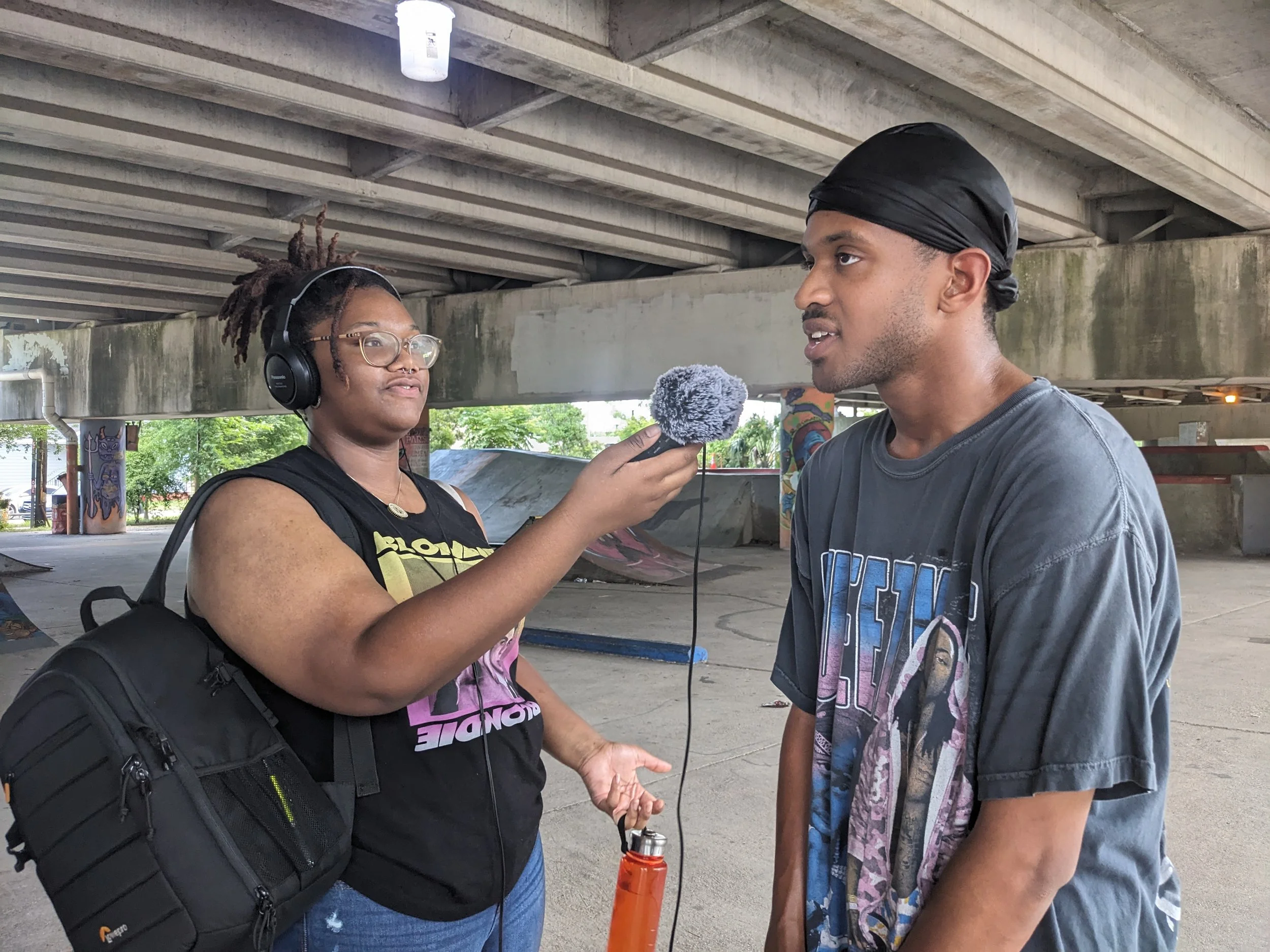
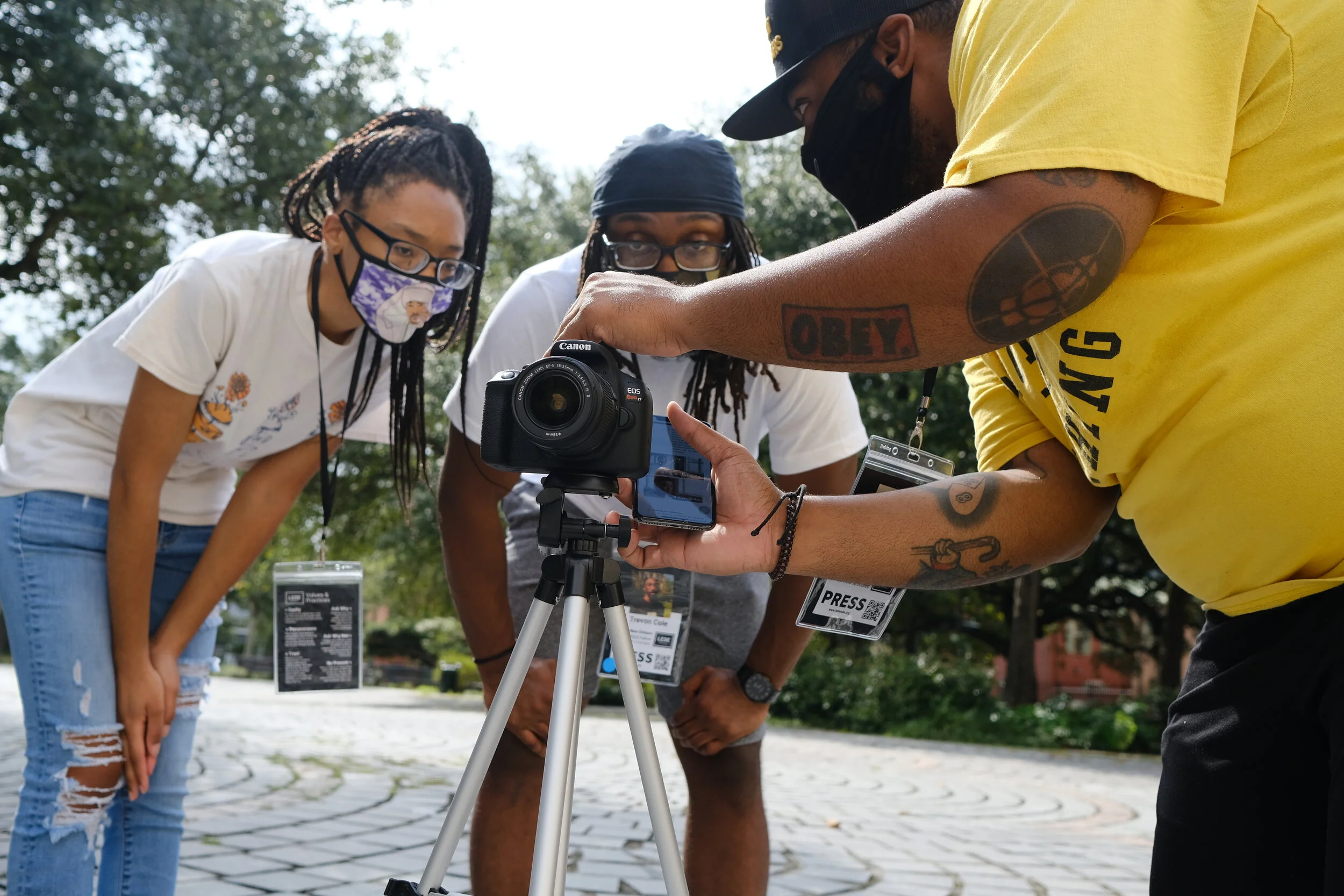
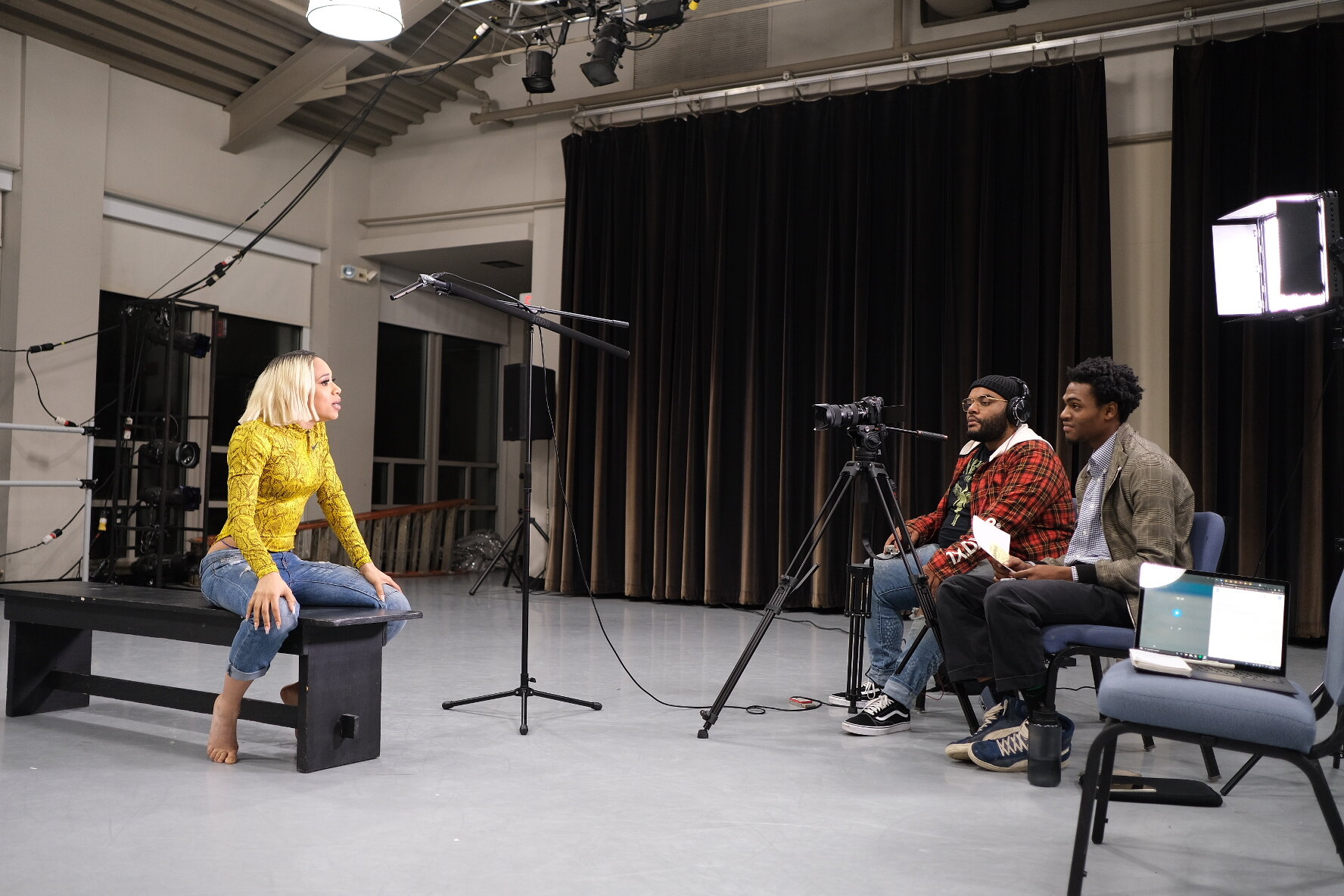
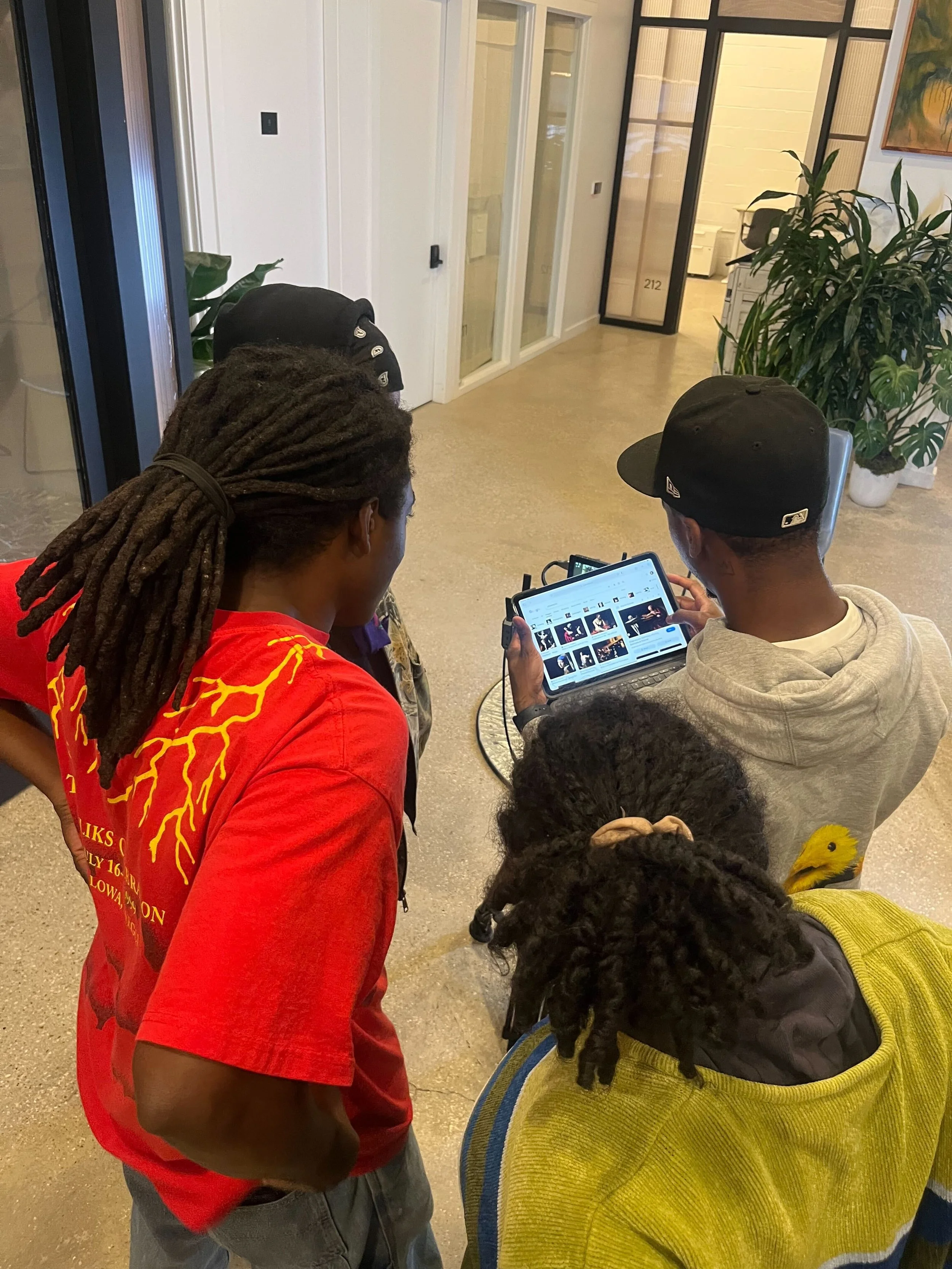
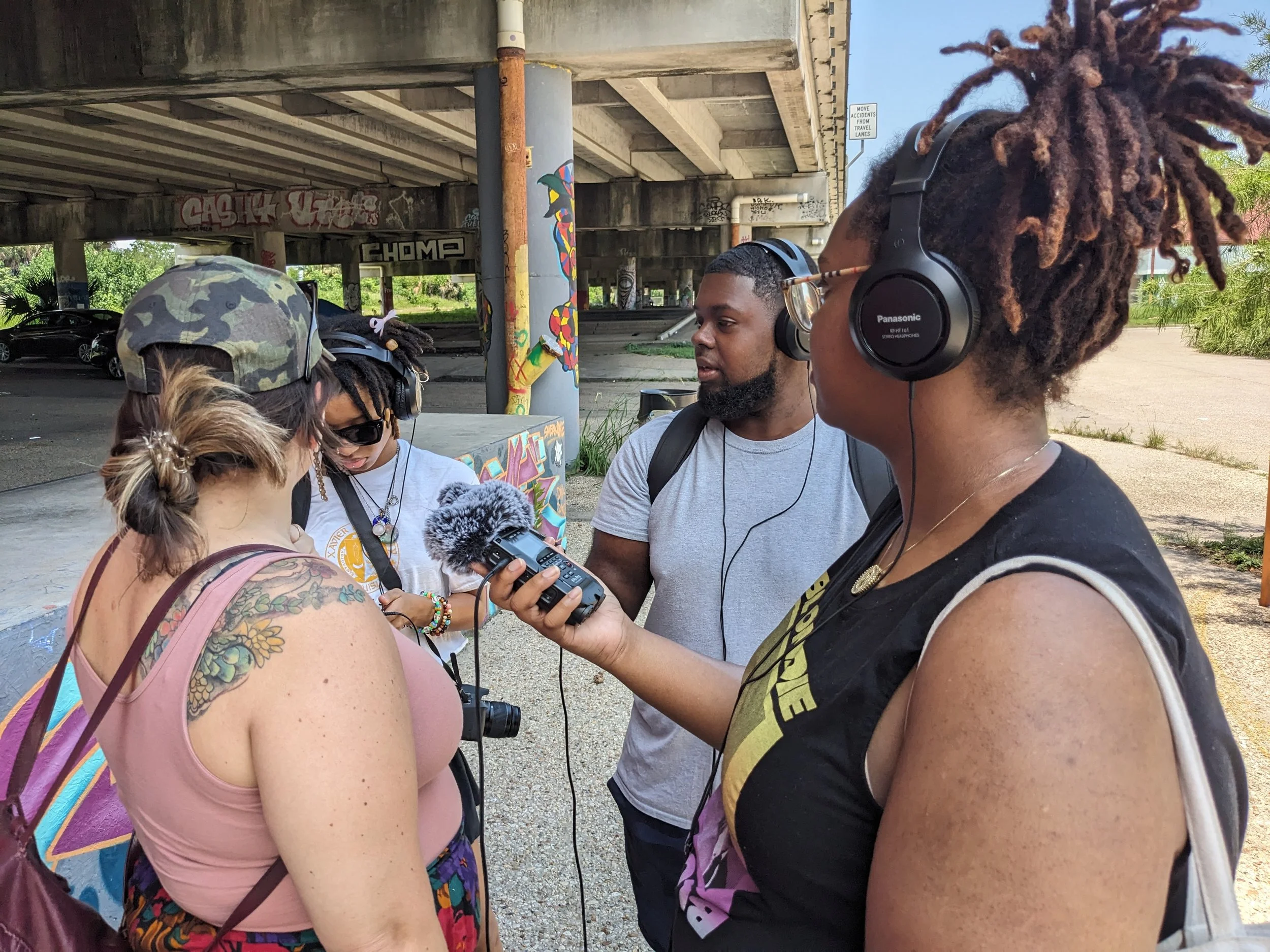
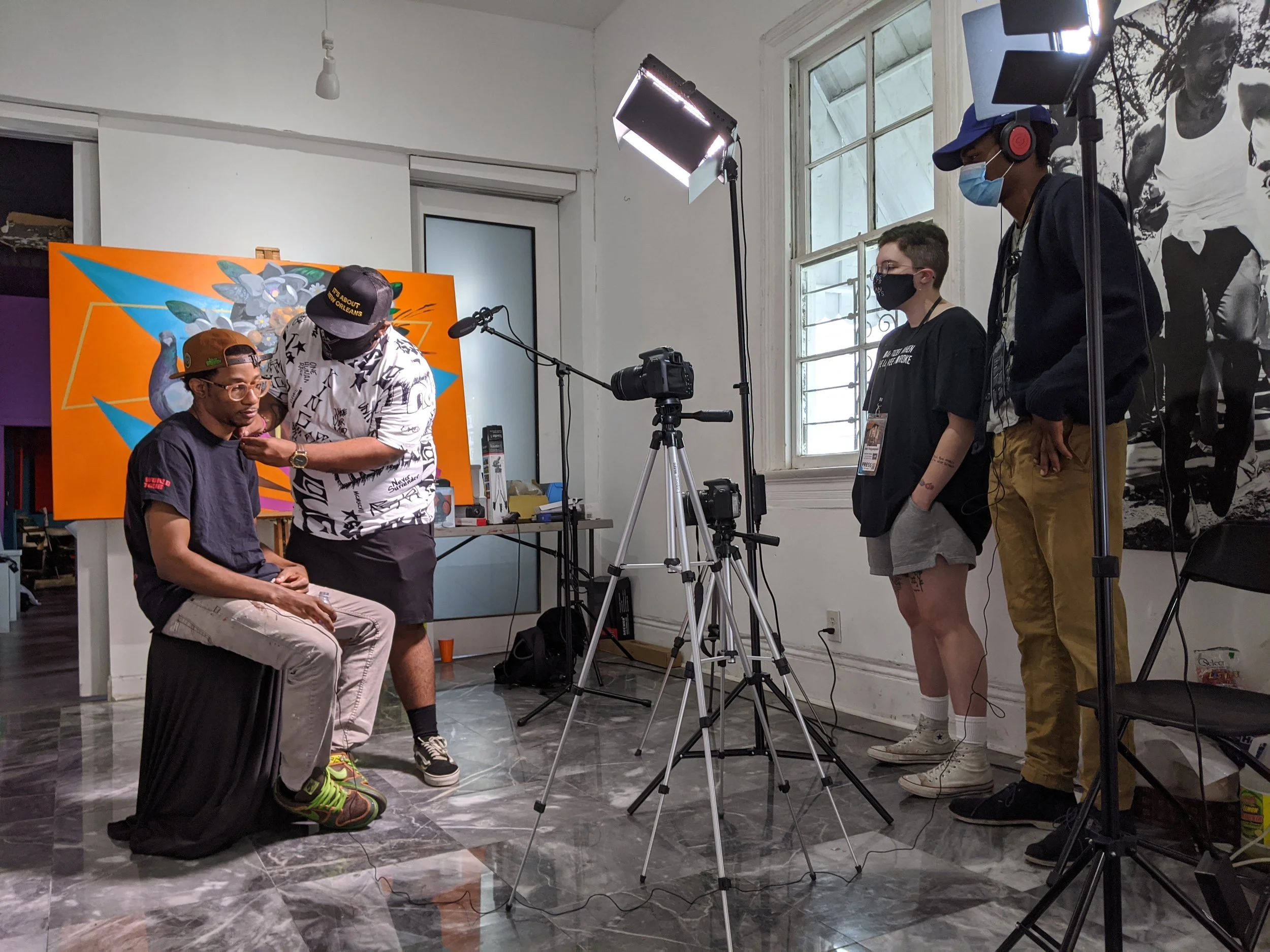
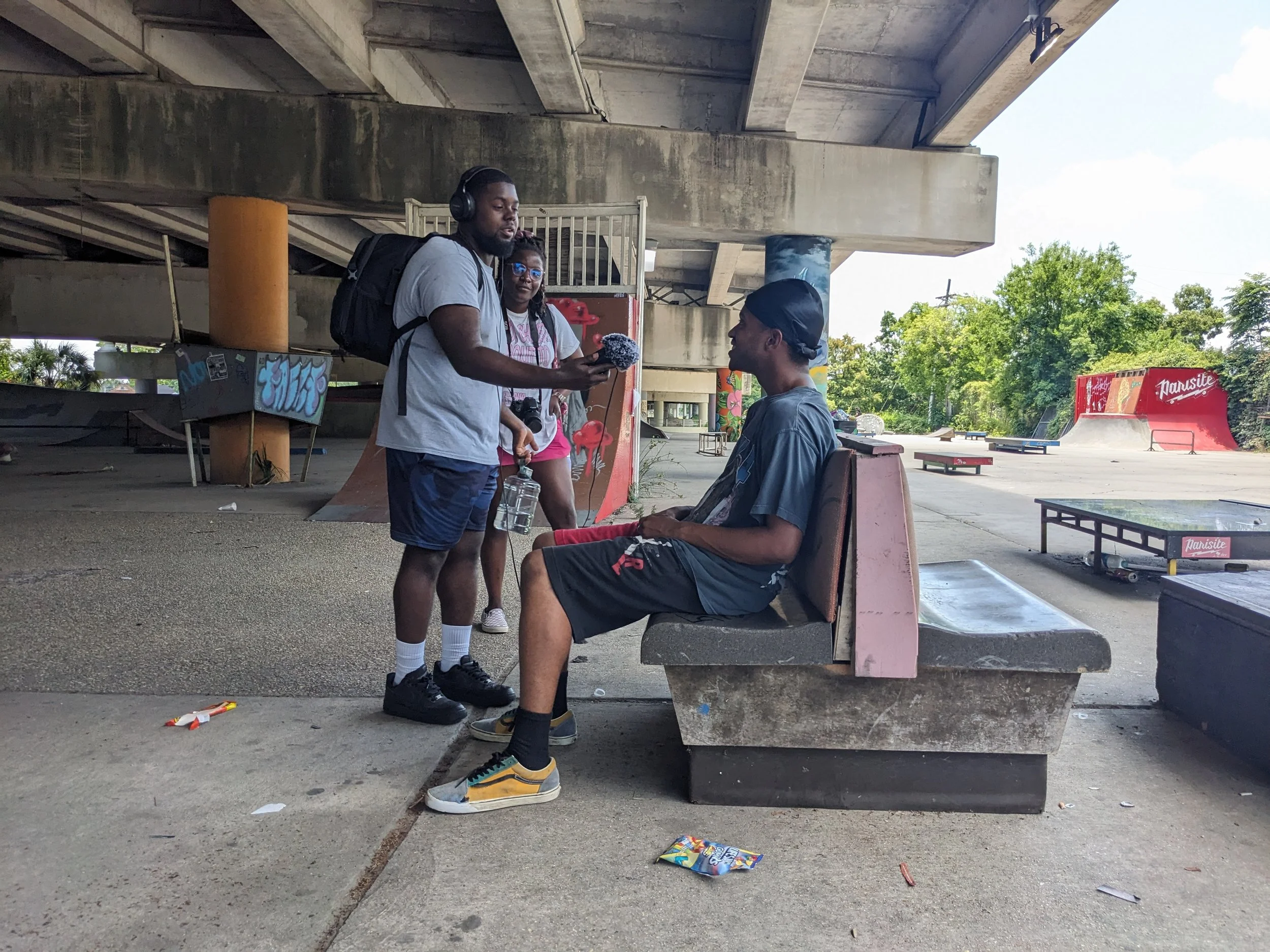
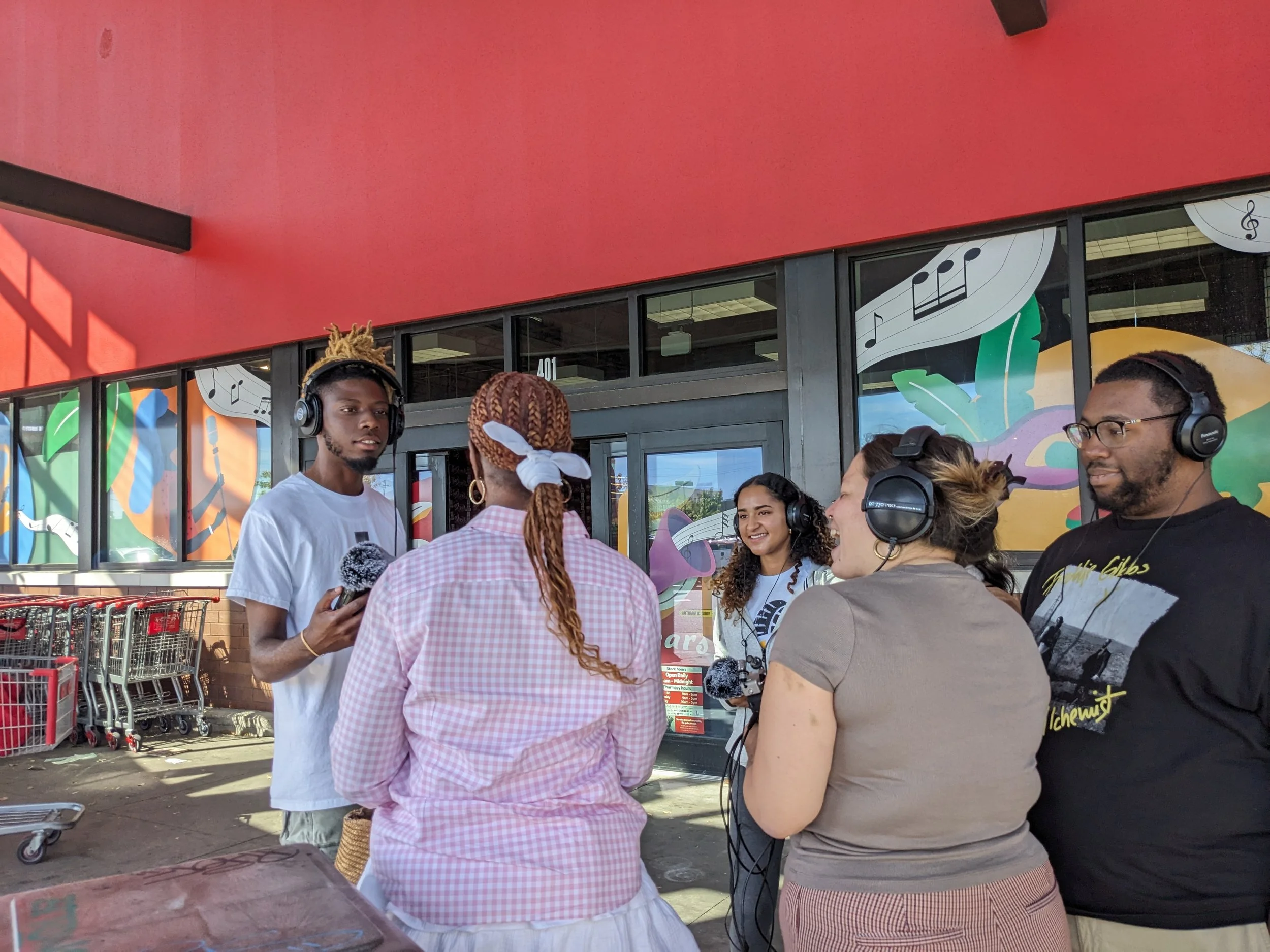
Fellows are paired with professional mentors to develop their reporting and technical skills in one of three medium tracks (writing, photo or video), and work with New Orleans community members to gather information and share stories about local issues, centering the needs, voices and lived experiences of those directly impacted by those issues. Participants can expect to have critical conversations about the media industry and what equitable, ethical community media can look like in New Orleans. Fellows are encouraged to think creatively about how to improve the information ecosystem in New Orleans, and how to reach New Orleanians in communities of color with vital information and stories that reflect their lived experiences.
Fellows’ work is published online and in print, through podcasts and through engagement methods, including interactive exhibits and fliers. Some fellows have gone on to work at traditional media organizations, or have piloted their own media projects. Fellows join a growing community of Lede New Orleans alumni and alumni coaches, and forge meaningful connections in New Orleans’ community of journalists, creators and social justice leaders.
What you’ll do:
Practice and improve your reporting skills (interviewing, research), and engagement skills (relationship building, event planning)
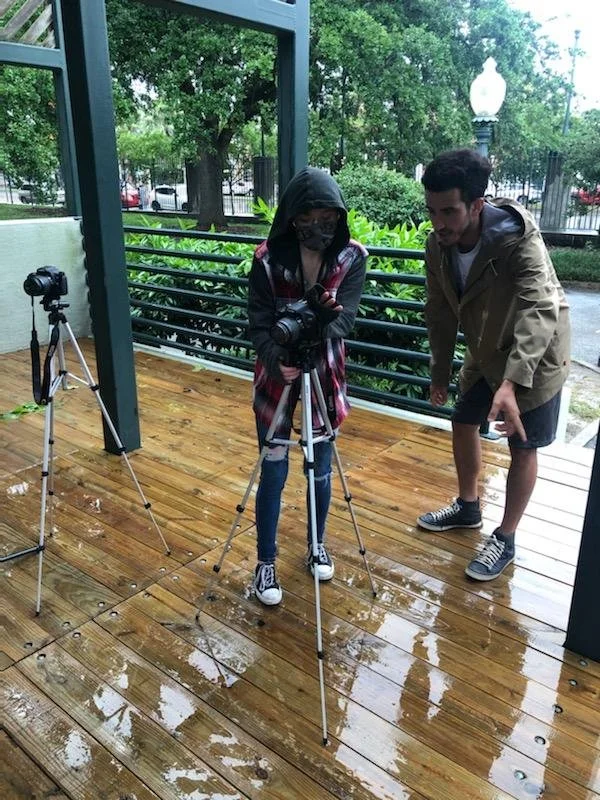
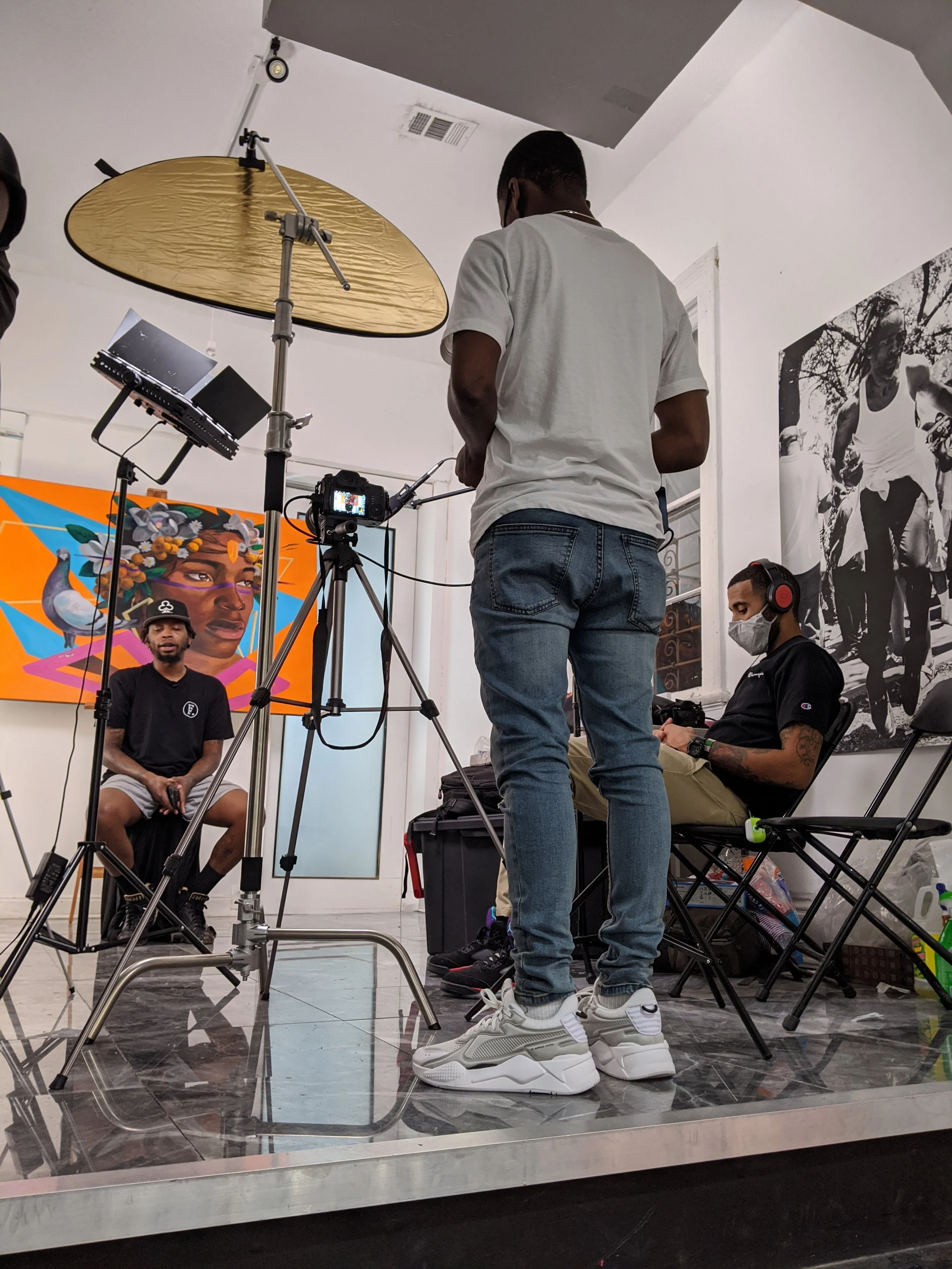
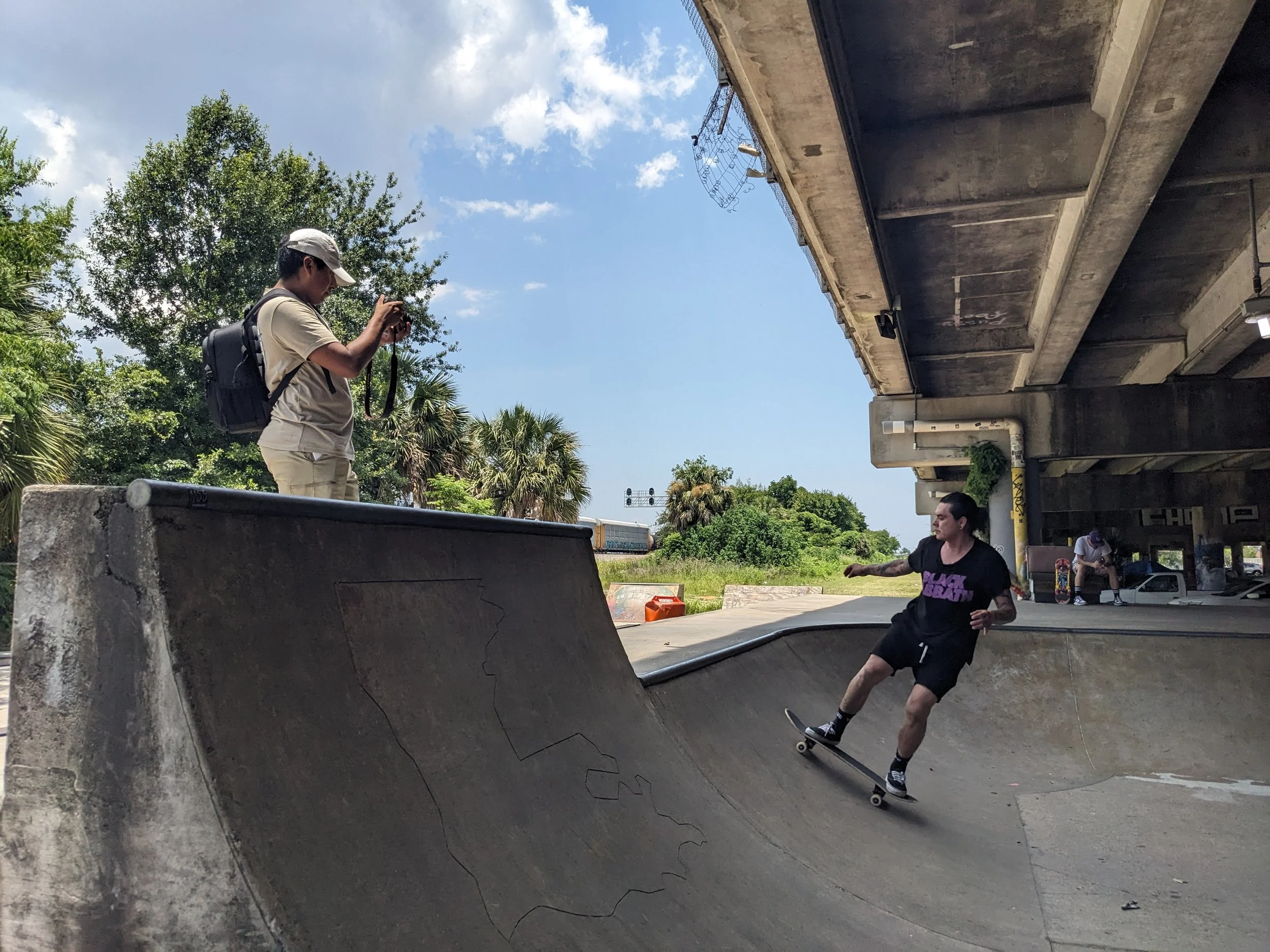
Practice and improve your technical skills in your chosen medium (writing, photo and video)
Draft and publish at least one original story with a byline in your chosen medium track
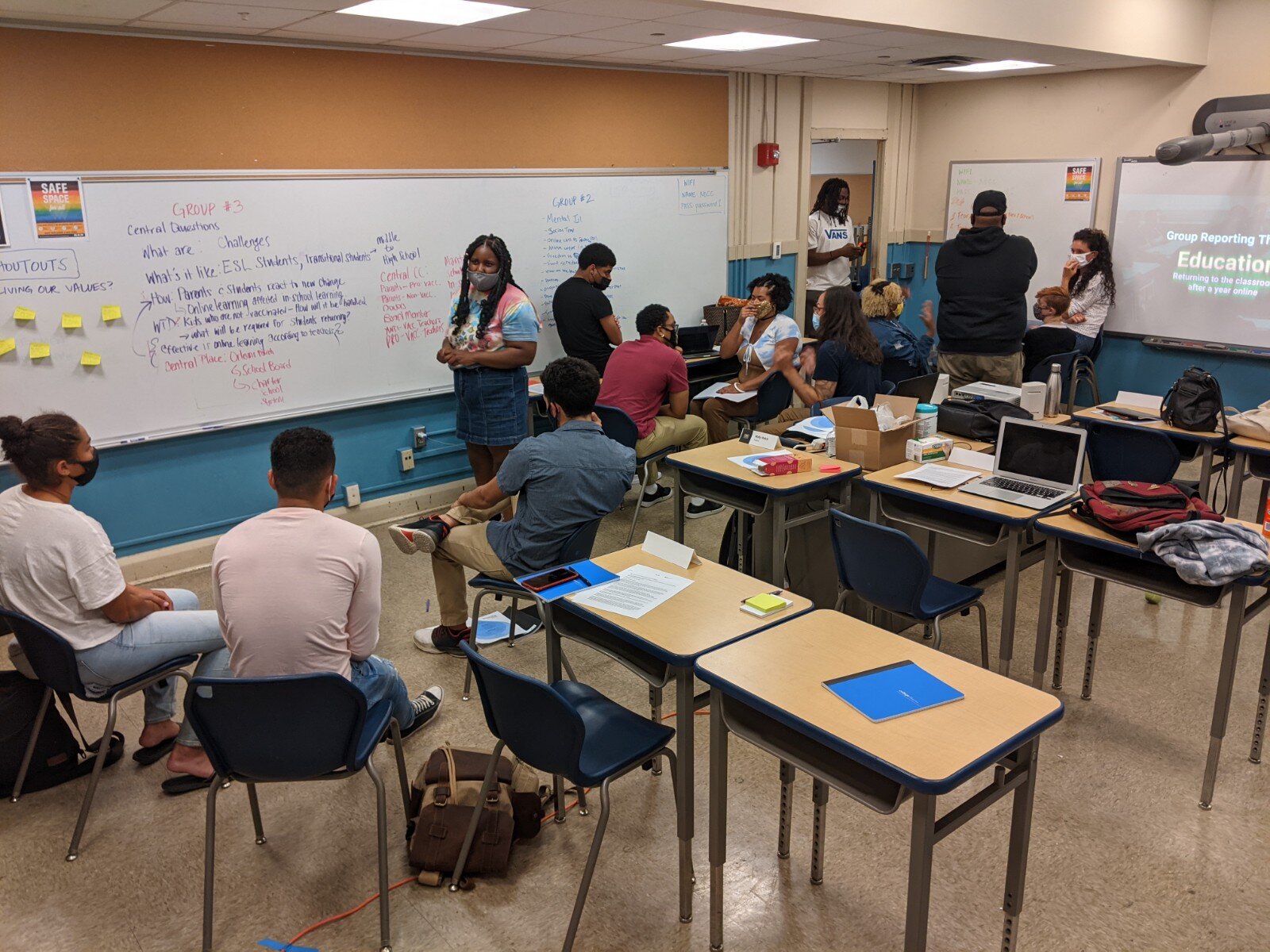
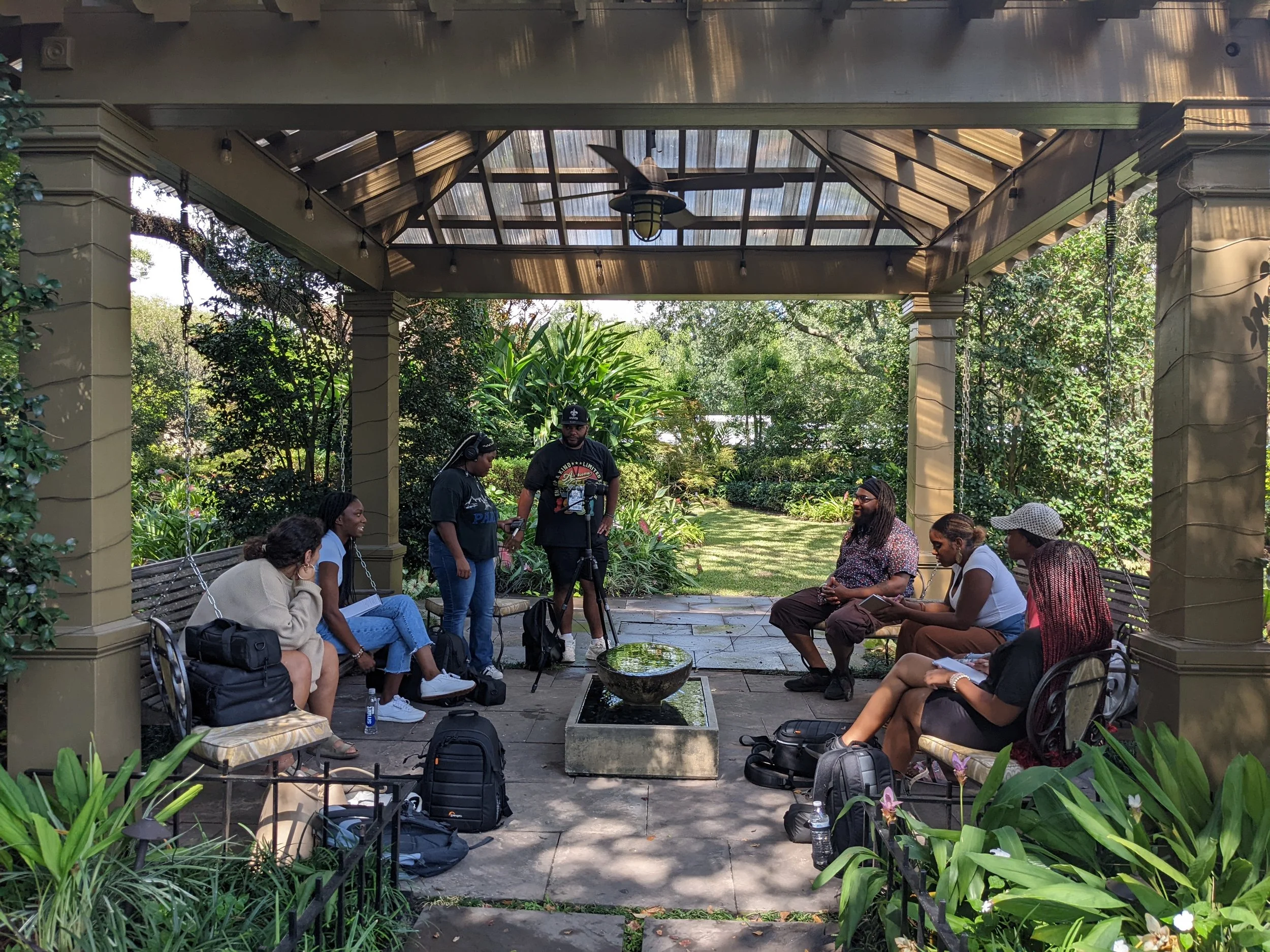
Work in a collaborative, hands-on learning environment with an editor, three mentors and five other fellowship team members
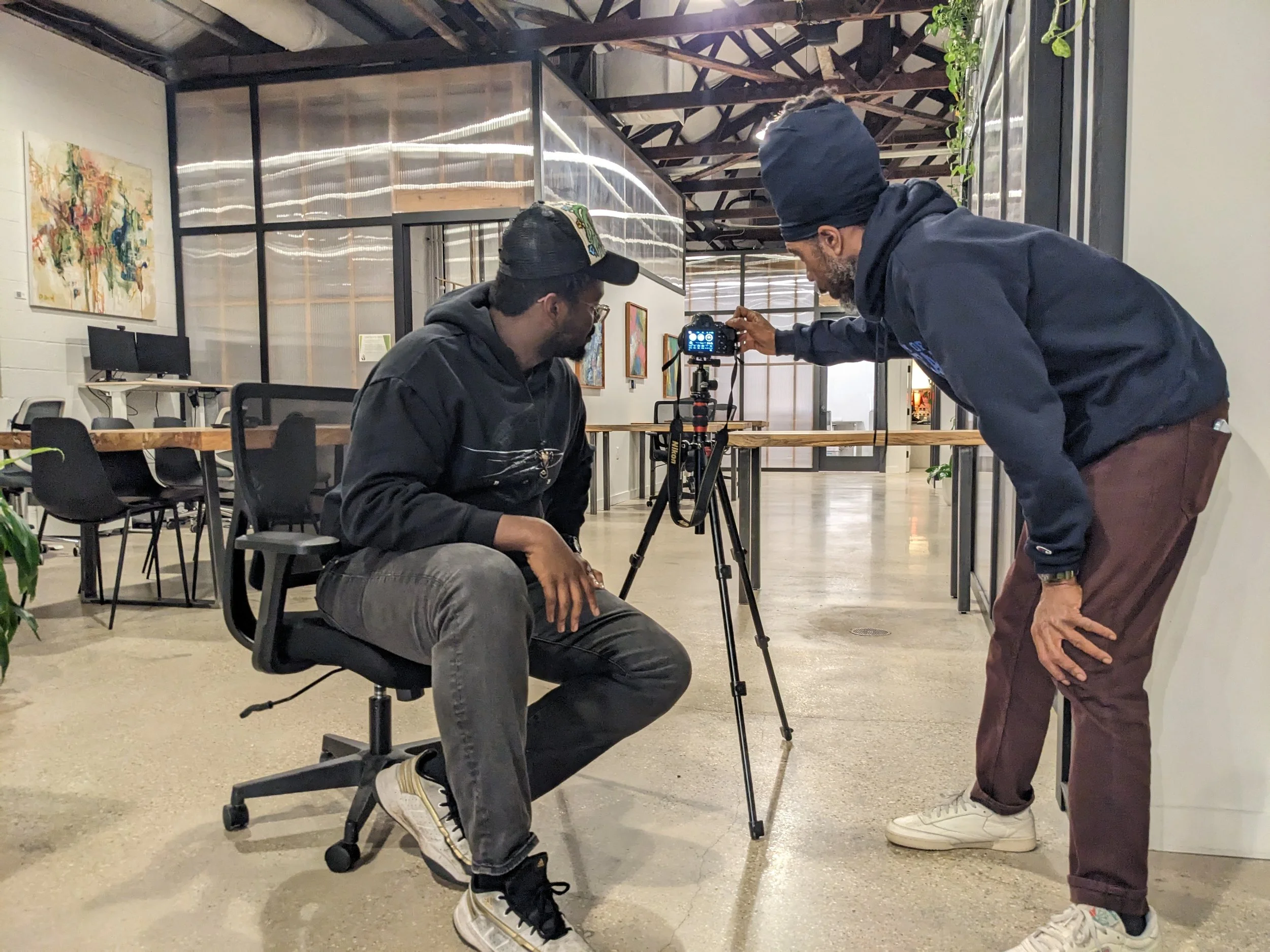
Get one-on-one coaching and feedback from Lede New Orleans editors and mentors
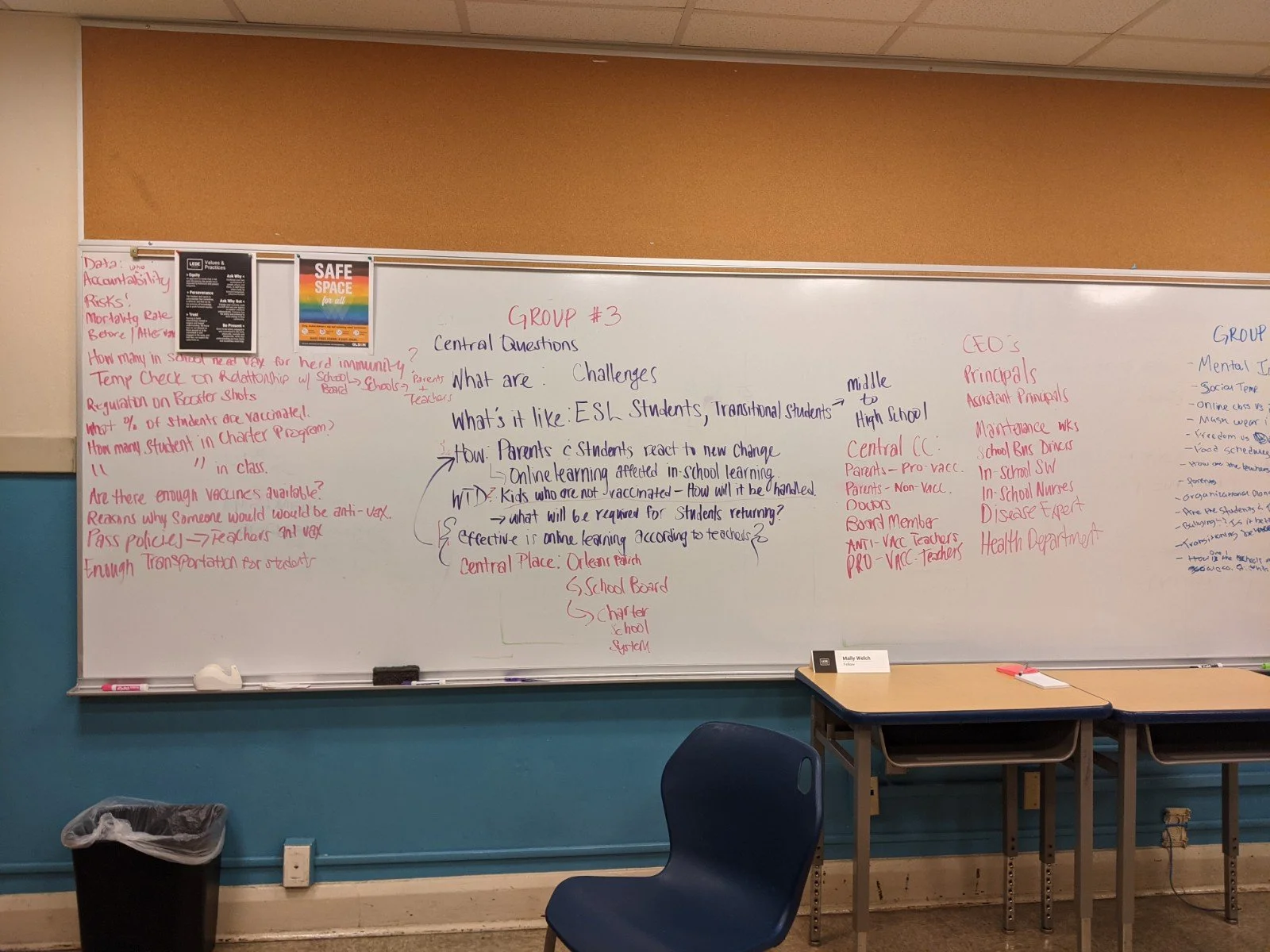
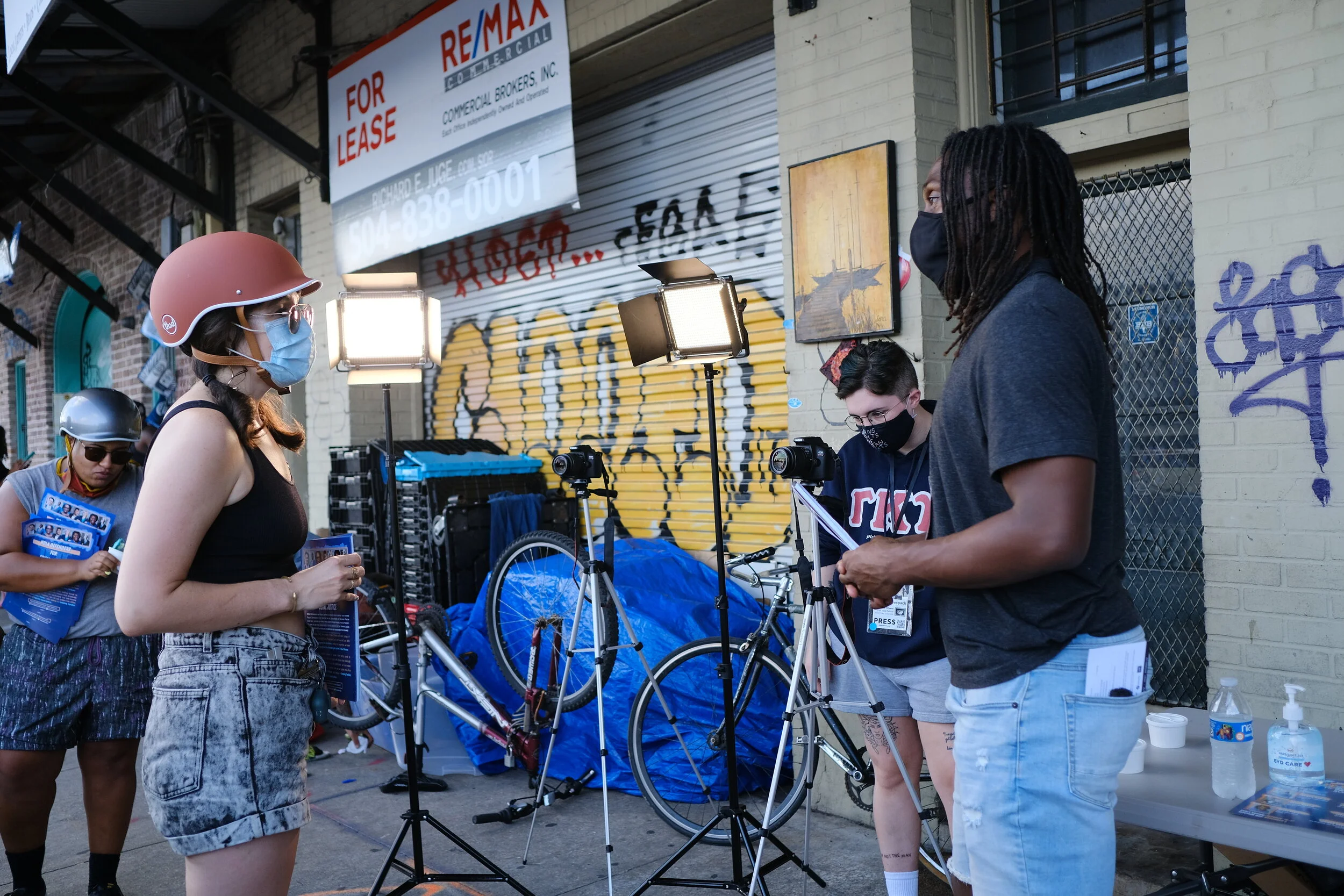
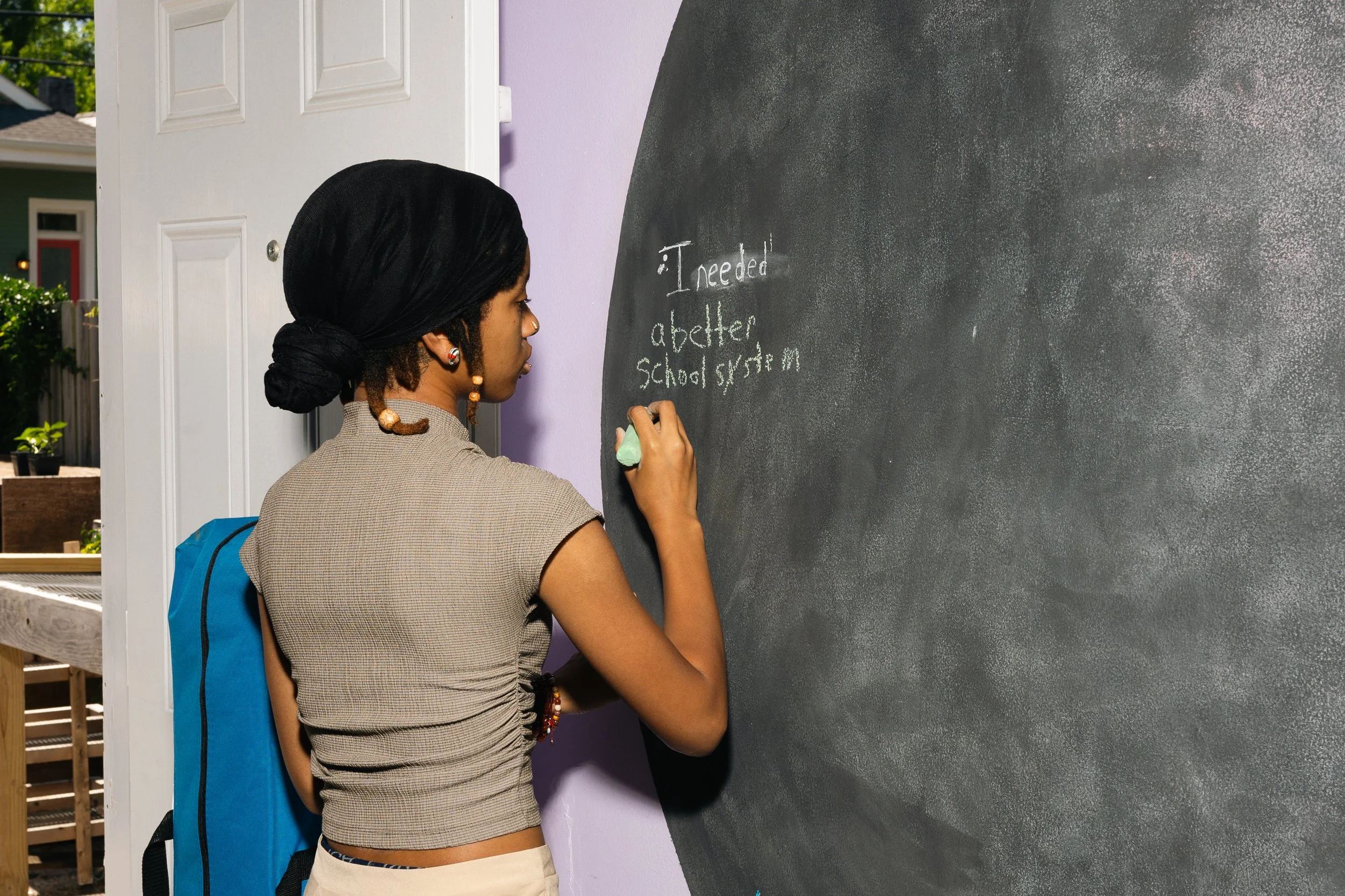
Help develop an engagement event that brings critical information to New Orleans communities
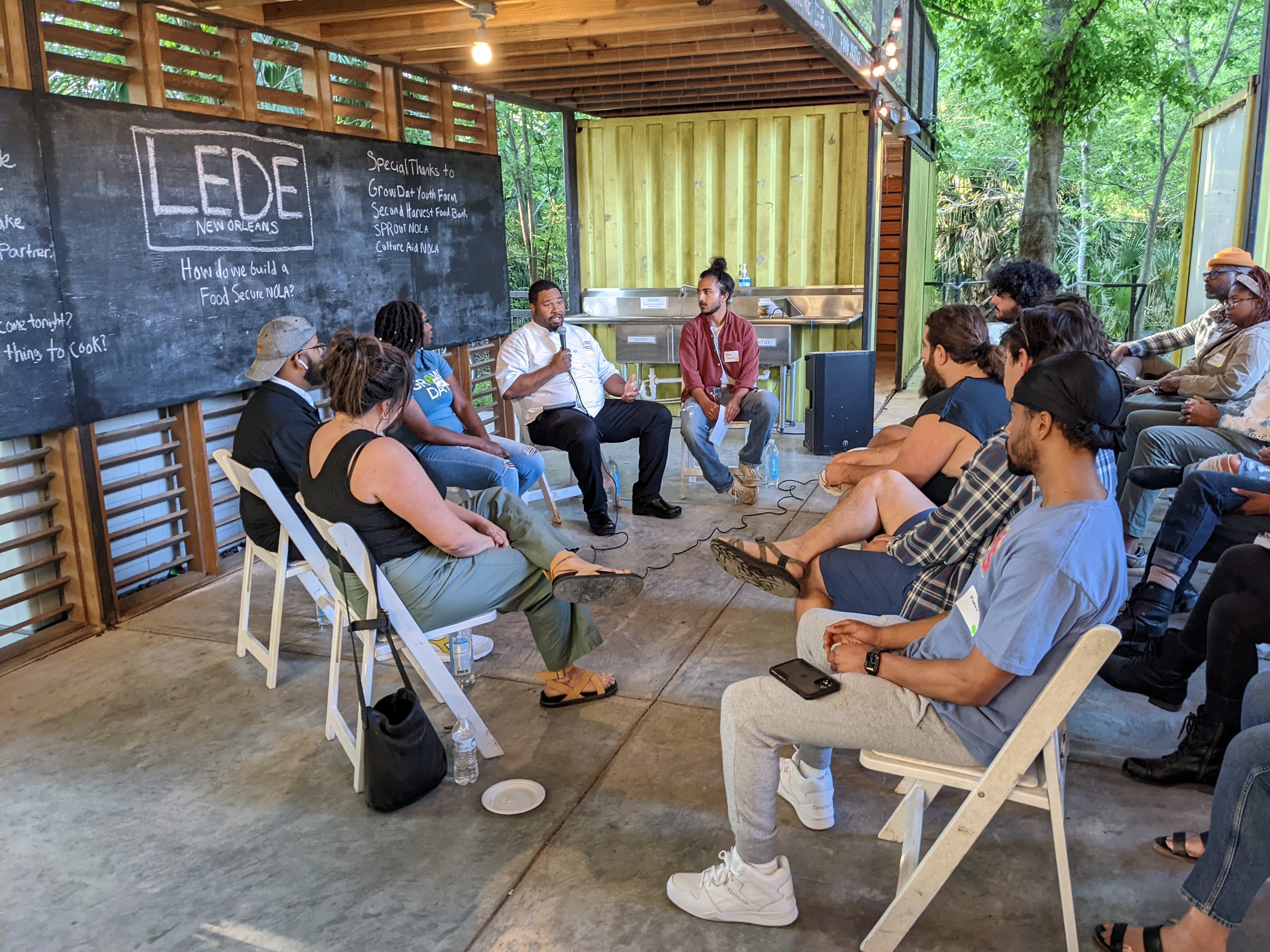
Attend workshops led by Lede staff members and guest speakers
Fellowship Timeline
We are not currently accepting applications for the Community Reporting Fellowship. See the general timeline below for a sense of what a typical application and fellowship timeline looks like.
June – Applications go live
July – Application review and interviews
August – Fellowship offers made and cohort finalized
September – Fellowship begins
March – Fellowship ends
June – Fellowship capstone event
Qualifications and Expectations:
The Community Reporting Fellowship is designed for emerging storytellers who are curious, committed and ready to grow. While fellows do not need prior newsroom experience, this program is best suited for applicants who bring a foundational interest in media, storytelling and community-centered work.
We’re looking for fellows who:
Are between the ages of 18–25 and live in the greater New Orleans area
Have a demonstrated interest in media, storytelling or creative production
Are excited to learn reporting skills such as interviewing, research and ethical storytelling
For visual tracks (photo or video), have some basic experience using a camera or recording device (this can include school projects, personal work or community documentation)
Are invested in serving their communities and show a clear interest in telling stories with and about Black and Brown communities in New Orleans
Are open to feedback, collaboration and learning in a group-based environment.
Fellows are expected to:
Commit approximately 10 hours per week for the full duration of the fellowship
Attend required weekly team meetings, workshops and coaching sessions
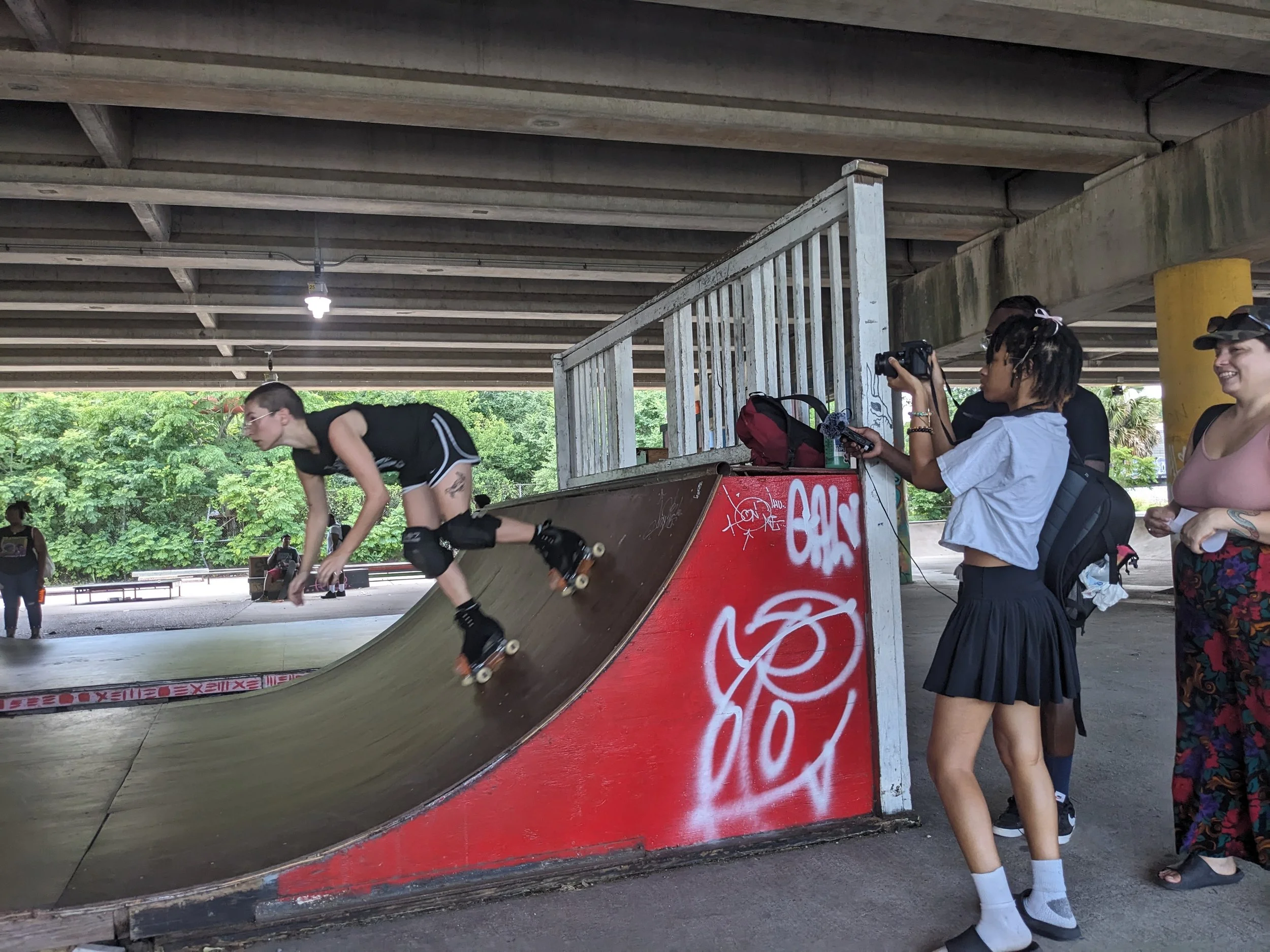
Actively participate in reporting, fieldwork and community engagement activities
Meet project deadlines and communicate clearly with editors, mentors and staff
Approach storytelling with care, curiosity and accountability to the communities involved
This fellowship is a paid learning opportunity that centers growth, experimentation and community connection. We value lived experience, curiosity and commitment just as much as technical skill, and we encourage applicants who see storytelling as a tool for connection, accountability and change.
Time Commitment & Pay
Duration: 24 weeks
Time Commitment: Approximately 10 hours per week
The Community Reporting Fellowship is designed to balance structured learning with flexible, real-world fieldwork. Fellows should expect a mix of required meetings and independent work each week.
Weekly commitments typically include:
One required weekly team meeting on Tuesday evenings
Workshops, coaching sessions and mentor check-ins (some scheduled, some rotating)
Independent and group-led reporting, interviews and fieldwork
Time for writing, editing, photo or video production
Some weeks may require more time than others, particularly during active reporting periods or in the lead-up to publication and the fellowship’s culminating engagement event
Compensation:
$3,000 stipend paid in increments
$250 transportation assistance to support travel for reporting, meetings and events
Stipends are intended to support fellows’ time and participation throughout the program and are distributed on a set schedule during the fellowship.
Core Fellowship Projects
Fellows will work toward two primary outcomes:
The production of a multimedia journalism project that explores an issue relevant to communities historically underrepresented in local media; and
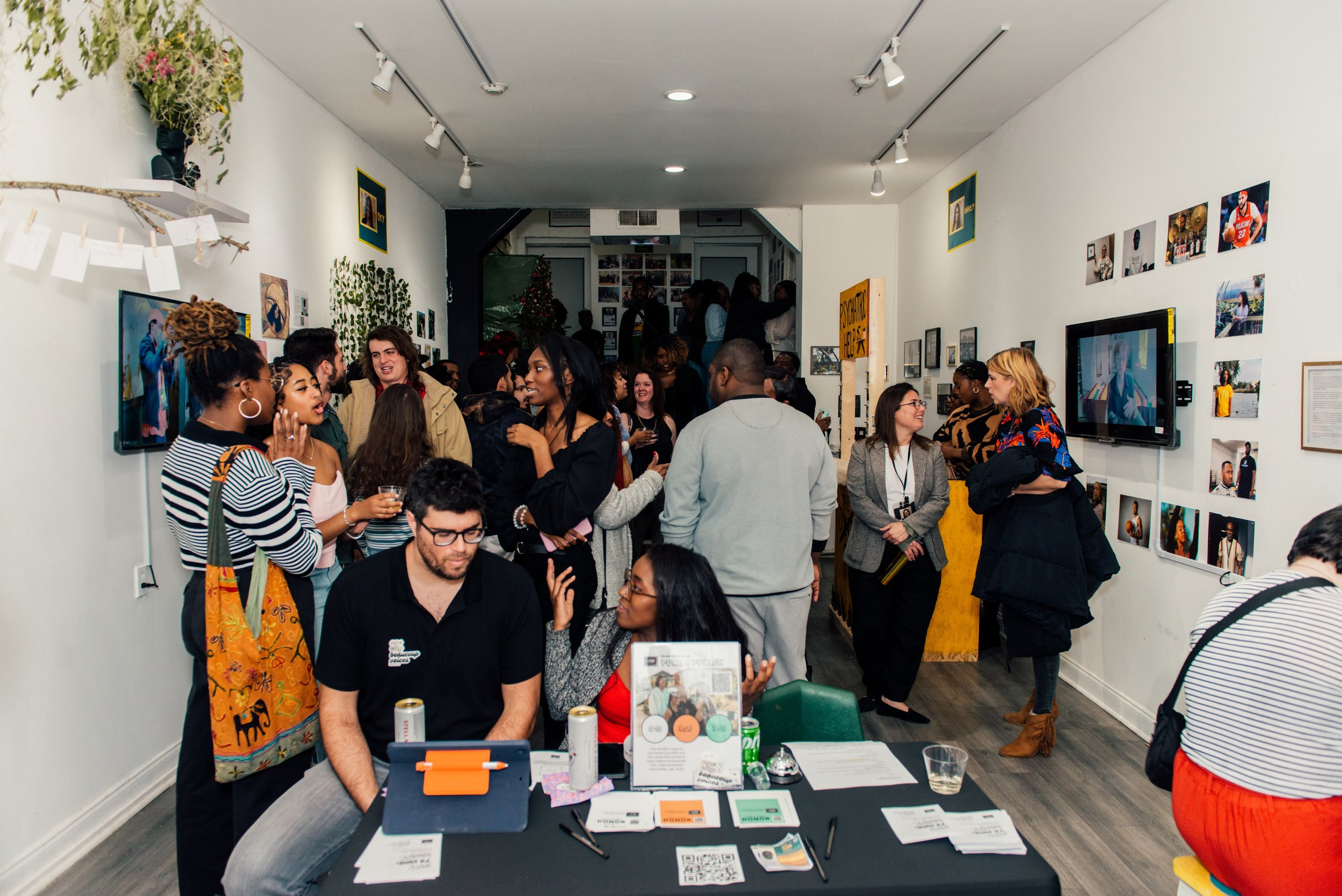
The planning and execution of a live, in-person community engagement event that shares reporting, invites dialogue and connects community members to information and resources.
This fellowship requires consistency, curiosity and care for the communities involved, while offering meaningful support, mentorship and compensation along the way