
The Stoops That Survived the Storm
How do you photograph/write about a place that no one is ready to talk about?
I’ve been working through this question since I set out last September to photograph rebuilding efforts, or the lack thereof, in the Lower Ninth Ward. New Orleans, the dear place I call home, has endured a great number of natural disasters, including the infamous Hurricane Katrina. But the Lower Ninth Ward, the neighborhood where generations of my family descend from, has made the slowest recovery to its pre-Katrina version. More than 20 years later, many current and former residents have never spoken about the damage.
So, I turned my lens to something that remains — the stoops settled in the Lower Ninth Ward. I’ve come to learn that these concrete sentiments serve as memorials and conduits to the legacies and memories former residents shared with me, as many move through the grief of facing what they’ve lost.
Upon presenting my project to my family, I came across photos of my cousins on my father’s side of the family.
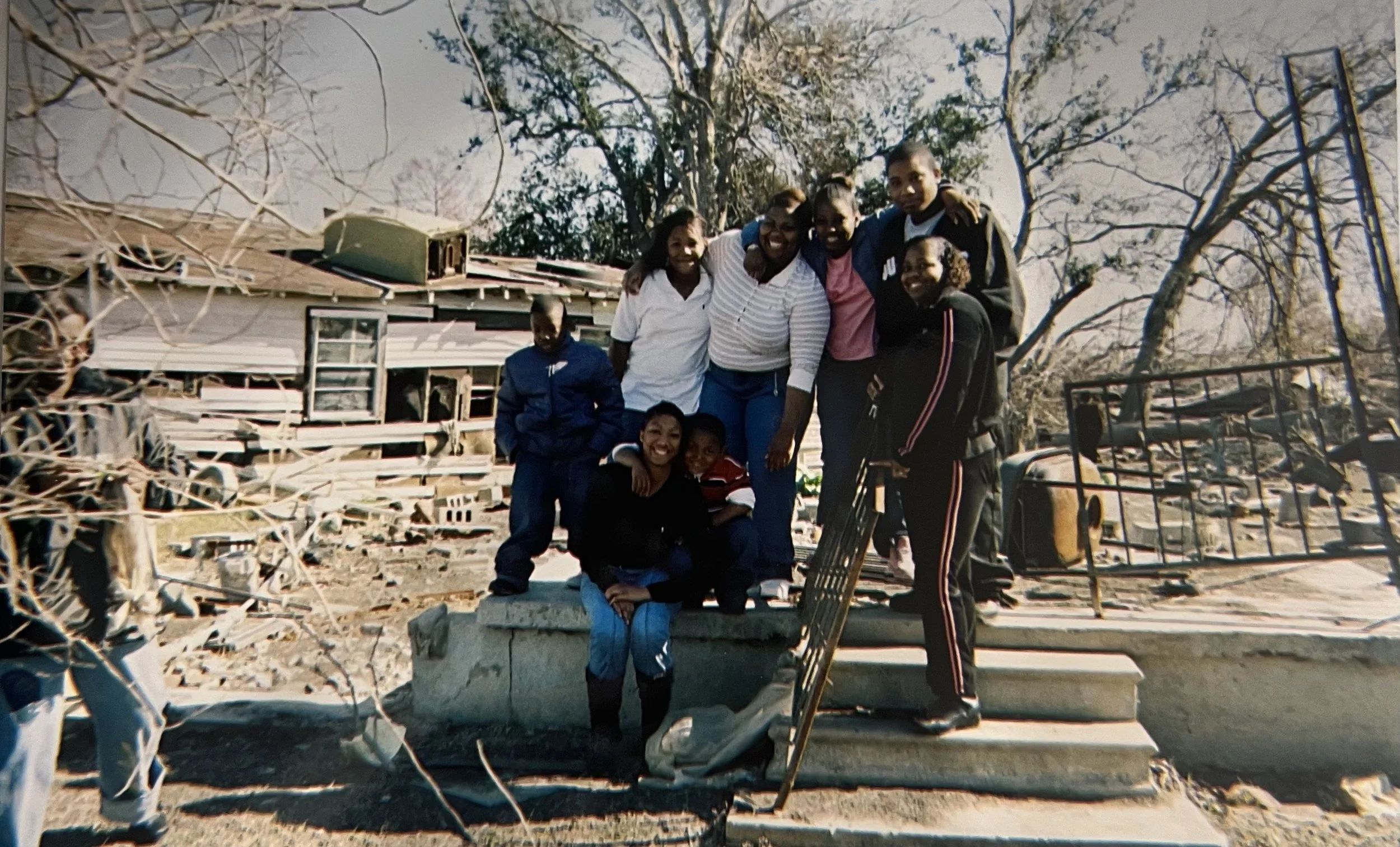
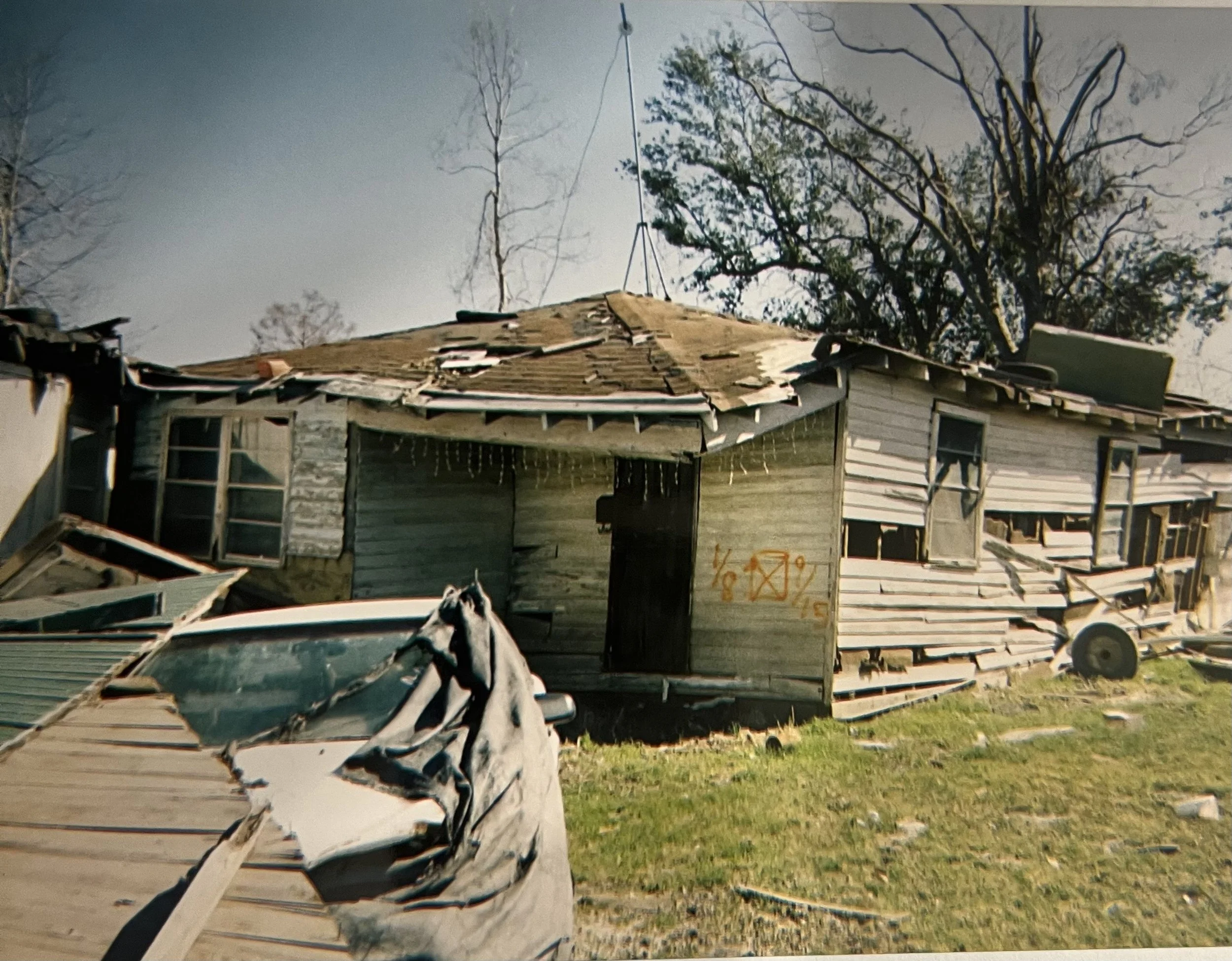
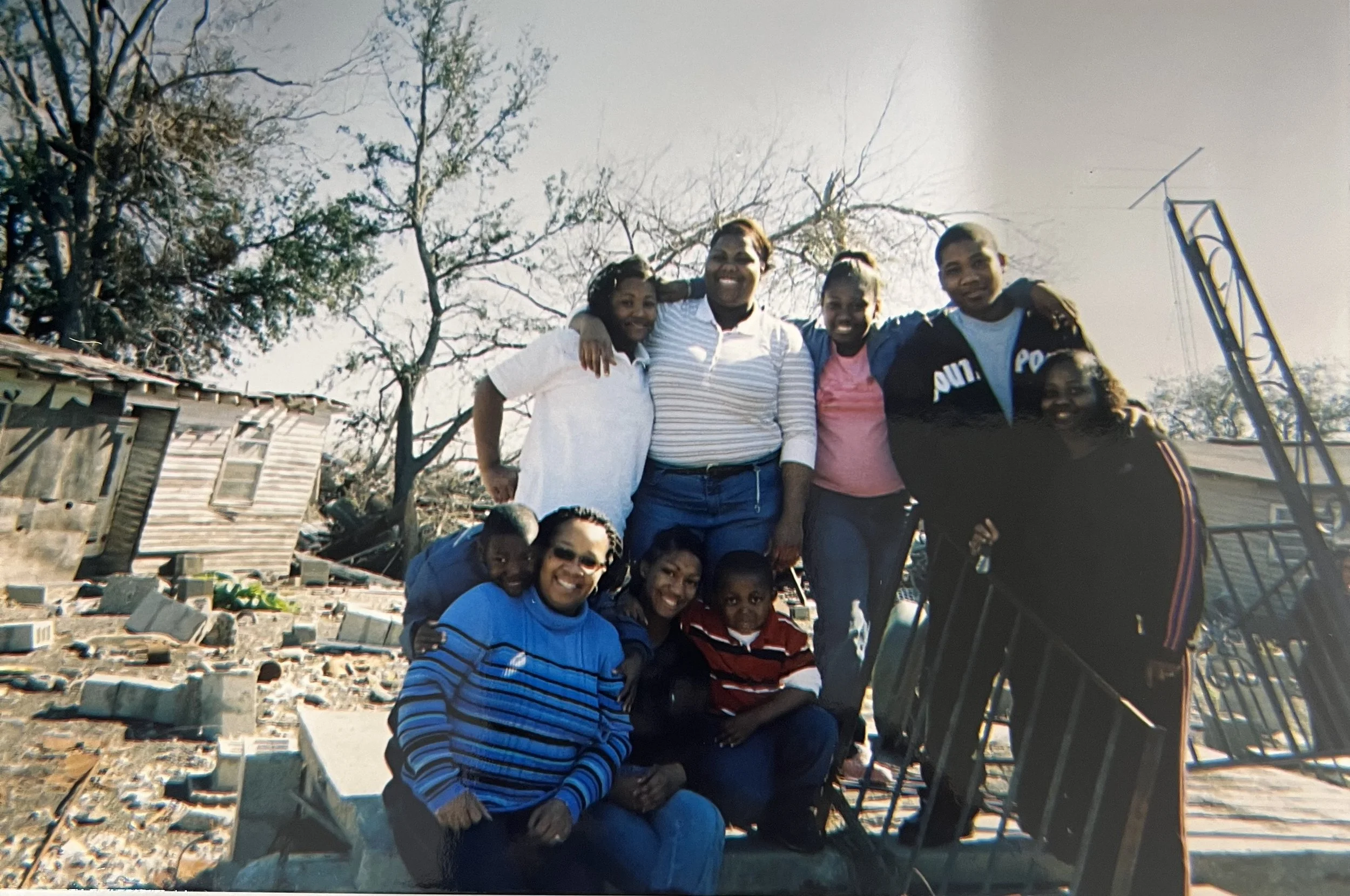
They had taken a trip back to the Lower Ninth Ward in October 2005 to survey the damage. They took all kinds of photos that day, but one stands out to me: my family gathered on their stoop.
Although I wasn’t allowed on that trip back to the Lower Ninth in 2005, this photo brought up memories of the times I would ride with Paw Paw, my maternal grandfather, in the Lower Ninth Ward to check on his childhood home, which he still owns.
During those rides, he would always (unprovoked) share stories of what it was like growing up in the area. Our family lineage goes back to the 19th century in Fazendeville, a community of formerly enslaved and free people of color built in 1867. Residents were displaced from their parcels at the Chalmette Battlefield and relocated to the Lower Ninth when the federal government decided to expand and unify the national historic park there in the 1960’s ahead of the 150th anniversary of the Battle of New Orleans.
Paw Paw stayed in the Lower Ninth until Katrina. This was true for my father’s side as well. The many aunts, uncles and cousins I spent my summers, holidays and vacations with resided in the Lower Ninth Ward too.
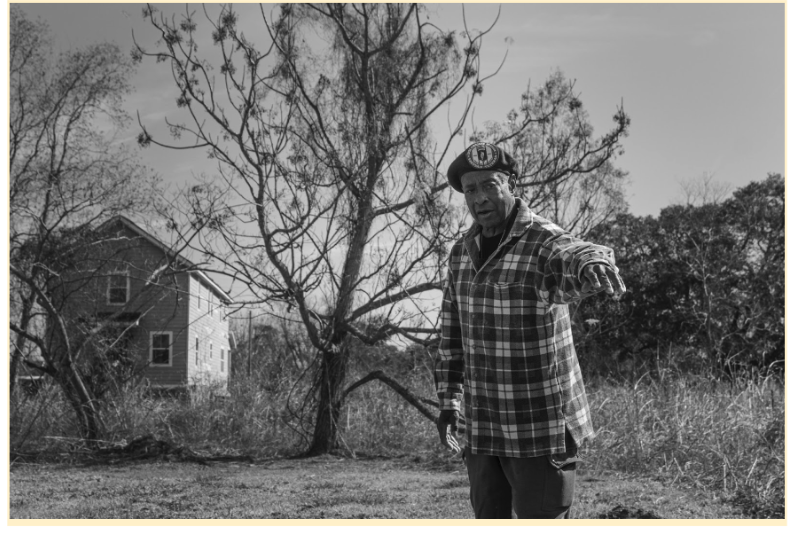
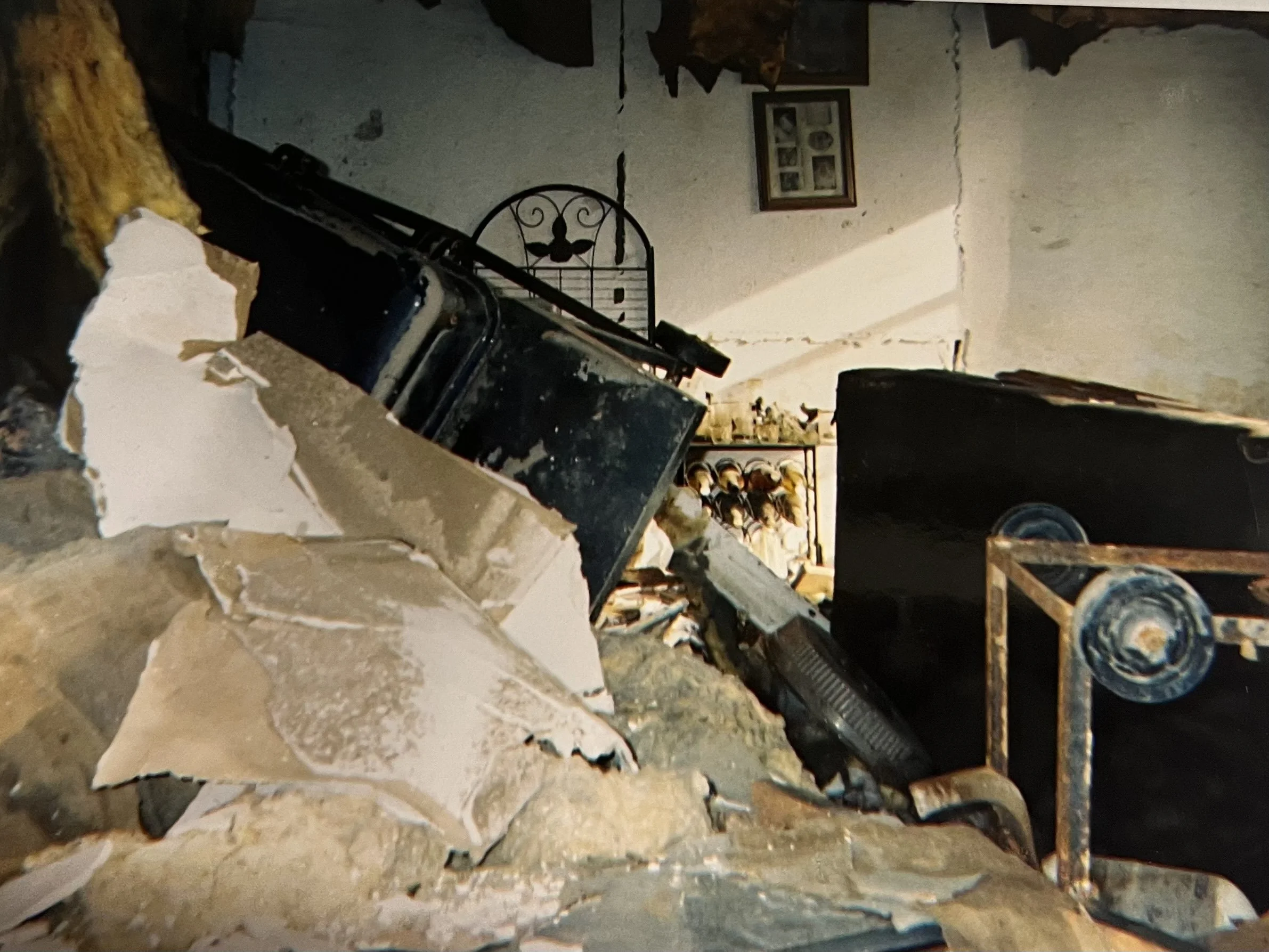
Howard “Paw Paw” Rollins Jr, 76 stands in what was once the living room of his childhood home. Rollins still owns this lot.
I hadn’t realized Paw Paw’s stories were so intertwined with mine, until my recent reporting on the Lower Ninth Ward.
I grew up in Texas, having relocated there after Katrina. But as the city recovered, my family took many trips home for holidays like Thanksgiving, Christmas, and Easter. I like to think I get my longing desire for preservation from my mother. She was adamant about my sister and I coming home any chance we got to preserve the roots that made us. To her, there was a key difference between being born in New Orleans and being raised there, but nevertheless, she never wanted us to feel as though we did not belong whenever we came back home. During these visits, I remember how empty the Lower Ninth looked, and I found myself recollecting memories of vacancy, comparing the emptiness to the full, cookie-cutter suburbs that I grew up in.
More recently, over the last several months, I’ve started an effort to fill in those gaps by mapping what I see as memorials and remnants of a neighborhood where my family roots begin: the stoops that survived The Storm.
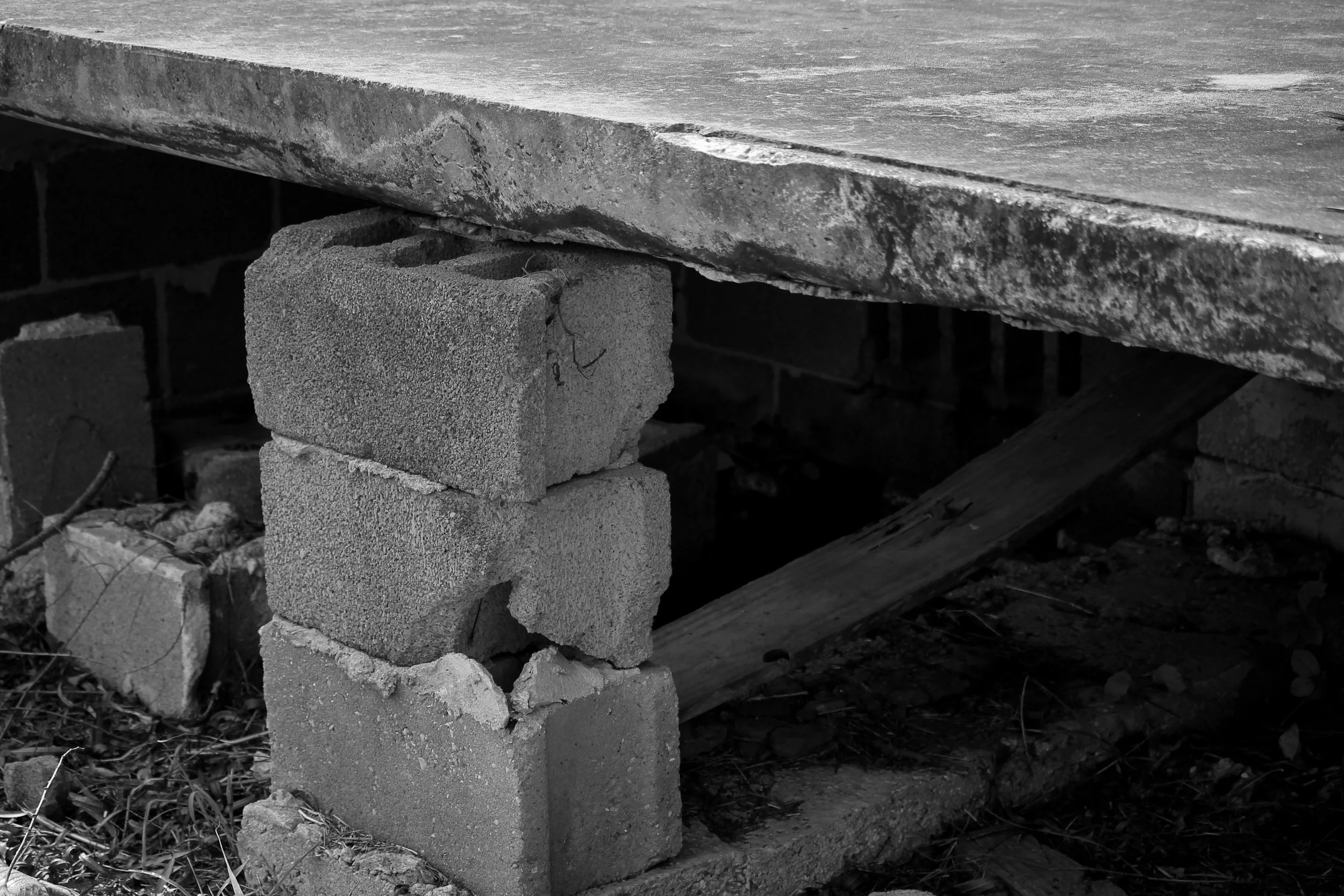
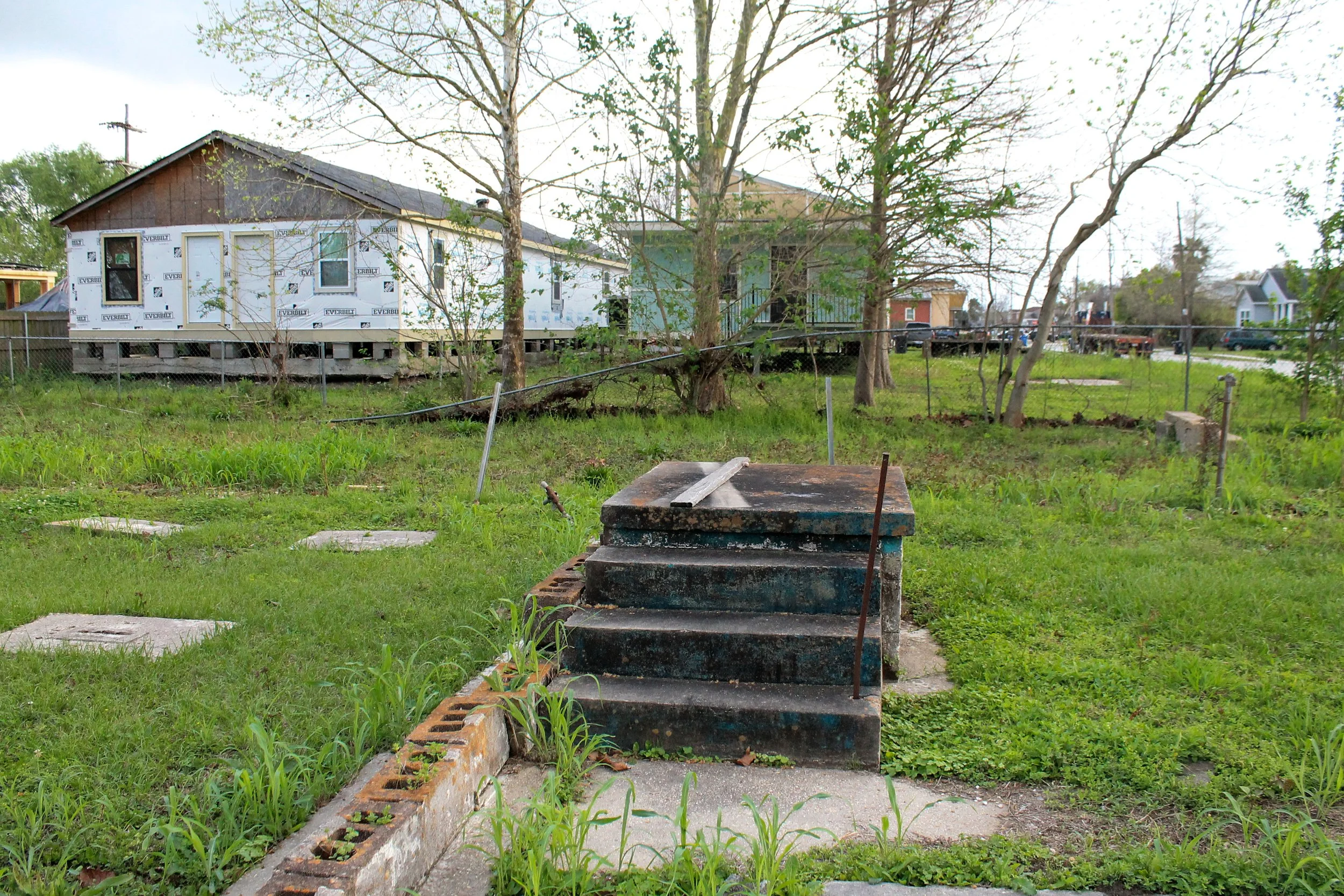
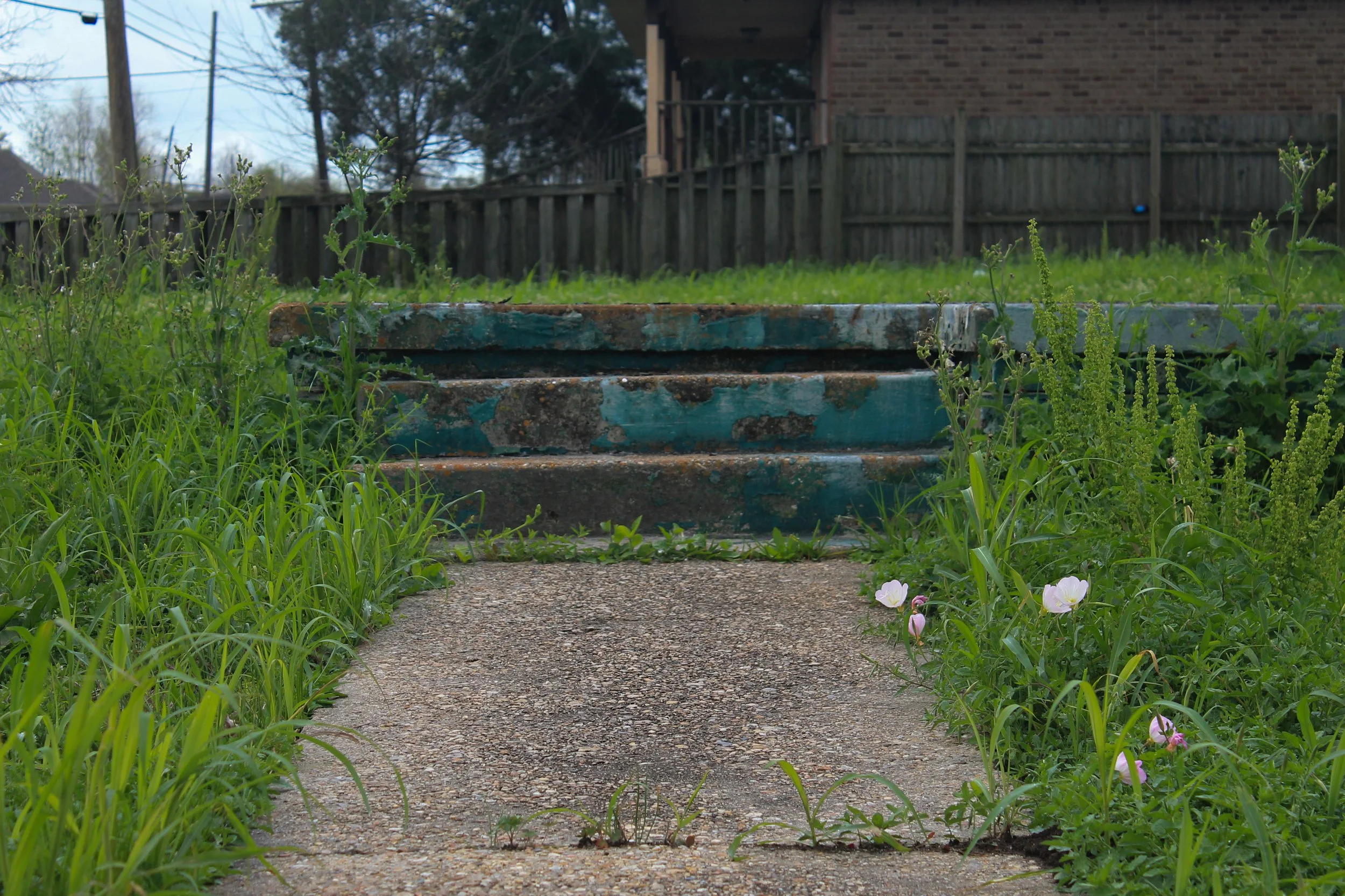
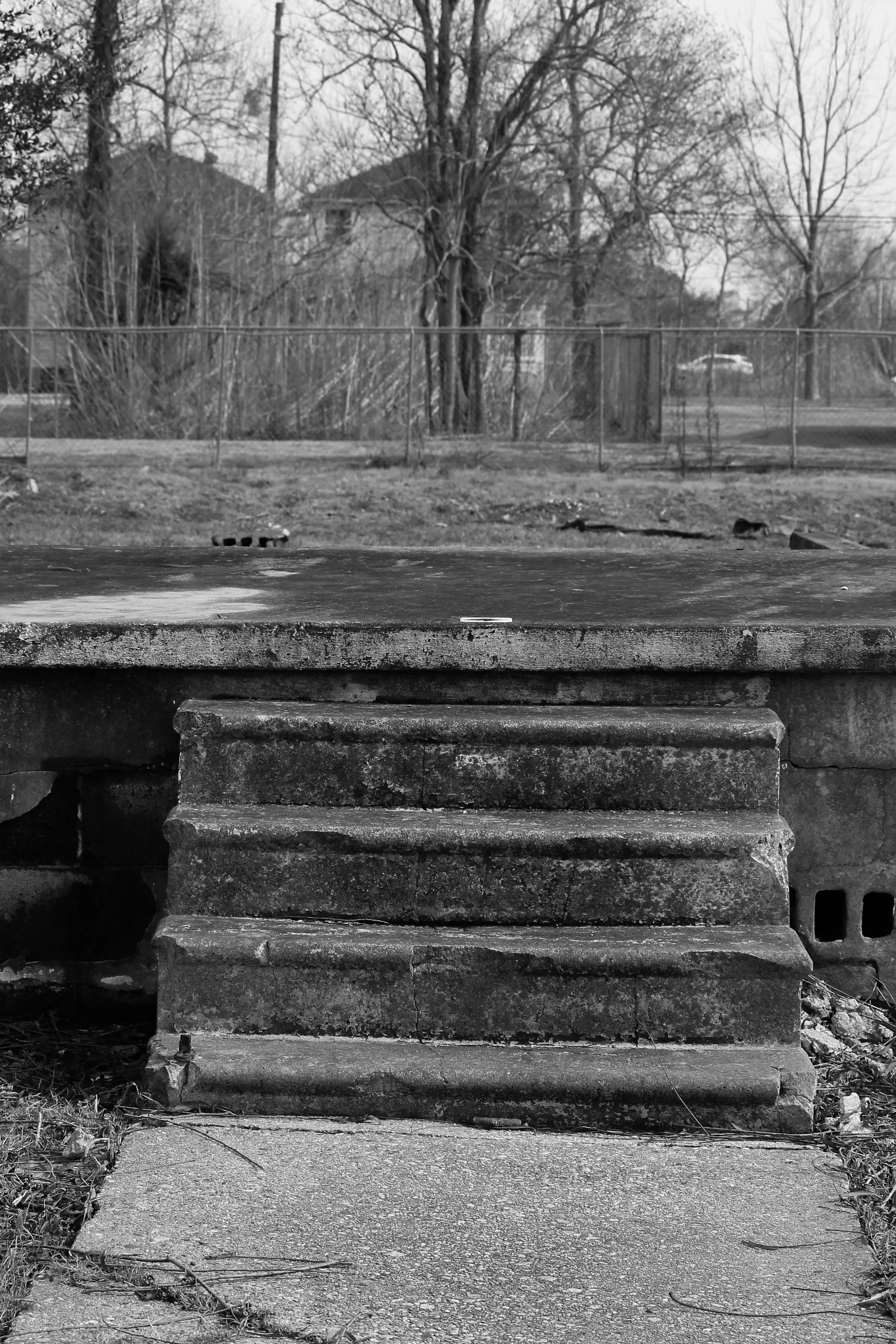
“You know, the greatest thing about this neighborhood to me, it was always quiet,” - Howard “Paw Paw” Rollins Jr, 76.
Paw Paw expressed this on a drive we took to the Lower Ninth Ward, where for the first time, he shared the entire layout of his childhood home to me. Katrina left behind nothing but a “private property” sign he still has there. I never thought he would be able to vividly share with me the layout of his childhood home. From entry to where the porch laid, to the backyard, where my great-grandfather built an outhouse and storage shed. Paw Paw’s description reminded me of a home that felt comfortable and where love grew. The living room being the first space you walk into, to the kitchen which shared a hallway that led towards my great-grandparents’ bedroom, and my grandfather and his siblings’ bedroom.
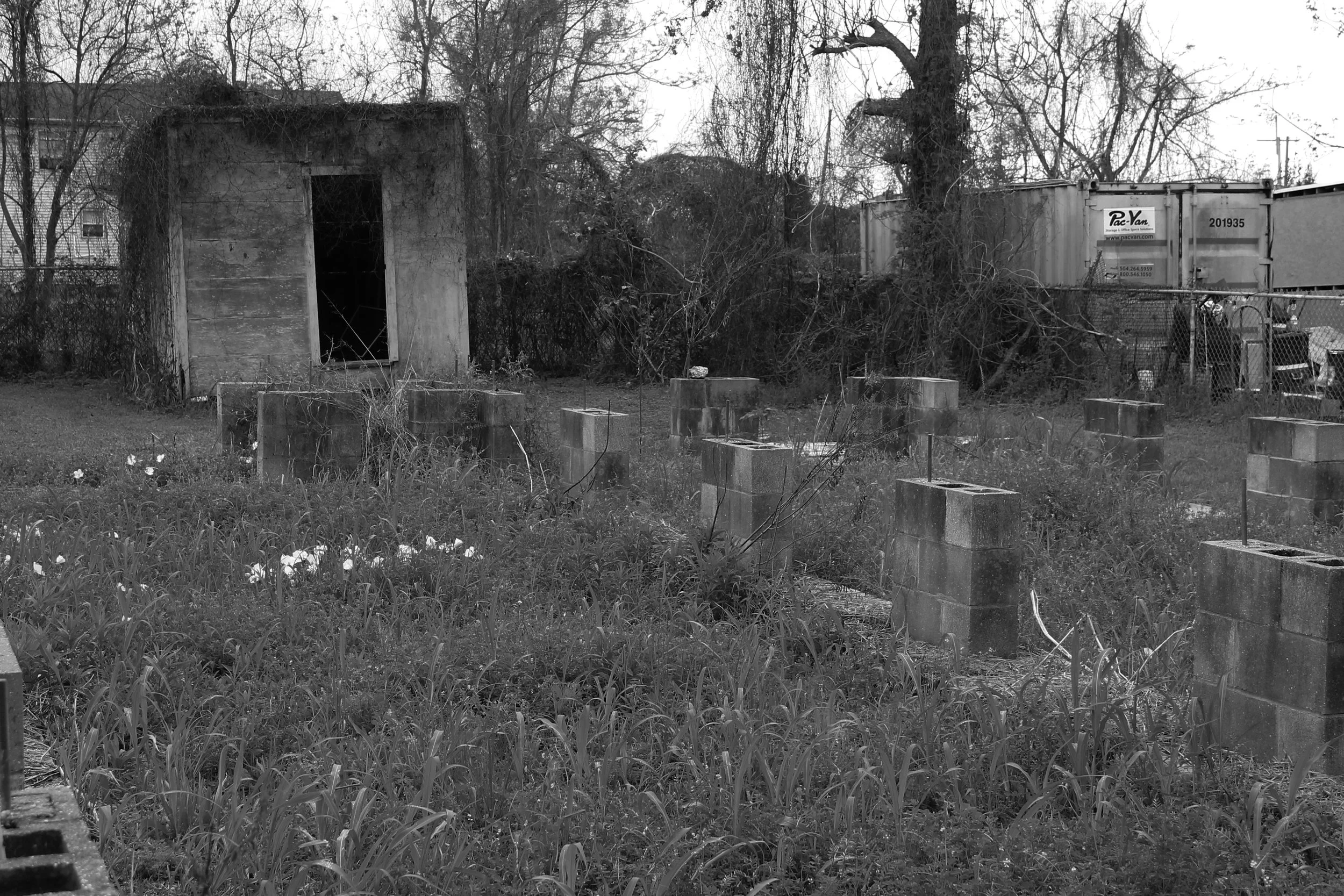
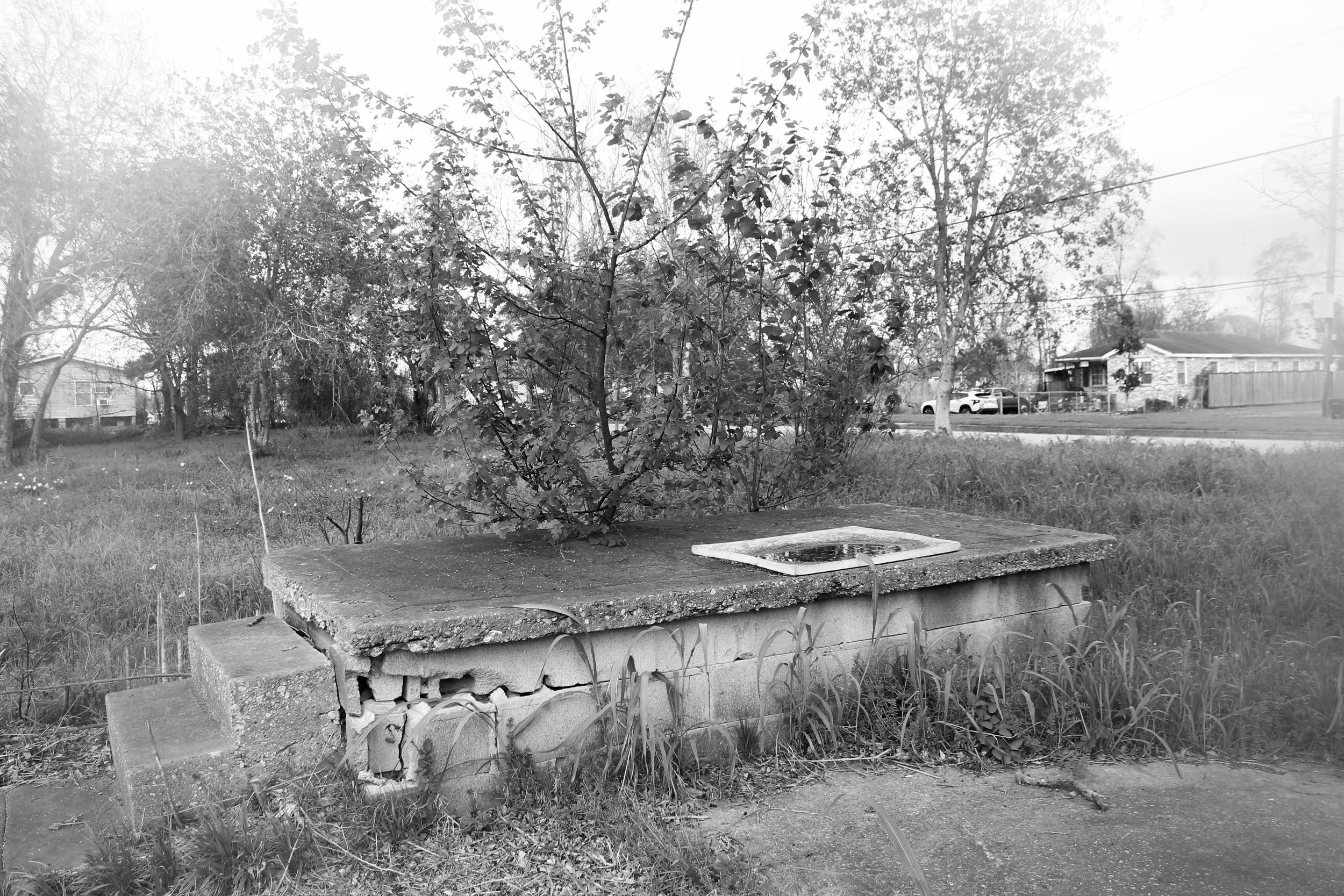
Admittedly, I’ve long held a great misconception when it came to the Lower Ninth Ward:
That nothing great strived from there; it’s the most dangerous and neglected area within the Greater New Orleans region.
But others painted a different picture of its legacy.
“Everything you needed was there, community was there. You didn’t have to lock your doors, you didn’t have to worry about nothing because everybody was family…
My safe space was in the Lower Ninth Ward, because I knew my community, I knew my neighbors, and we all, like I said, we grew up as family. We still say cousins. They're not really my cousins, we're not actually kin, but we grew up as neighbors … we grew up as cousins, as family.”
- Crystal Blevins, 55, a Lower Ninth resident until 2019.
Blevins, Paw Paw, and the other elders of the Lower Ninth Ward I interviewed no longer call the neighborhood home. For some, it was Katrina, for others, the emptiness that followed. As increasingly more people leave the neighborhood behind, I felt more and more compelled to document what remains: the stoops.
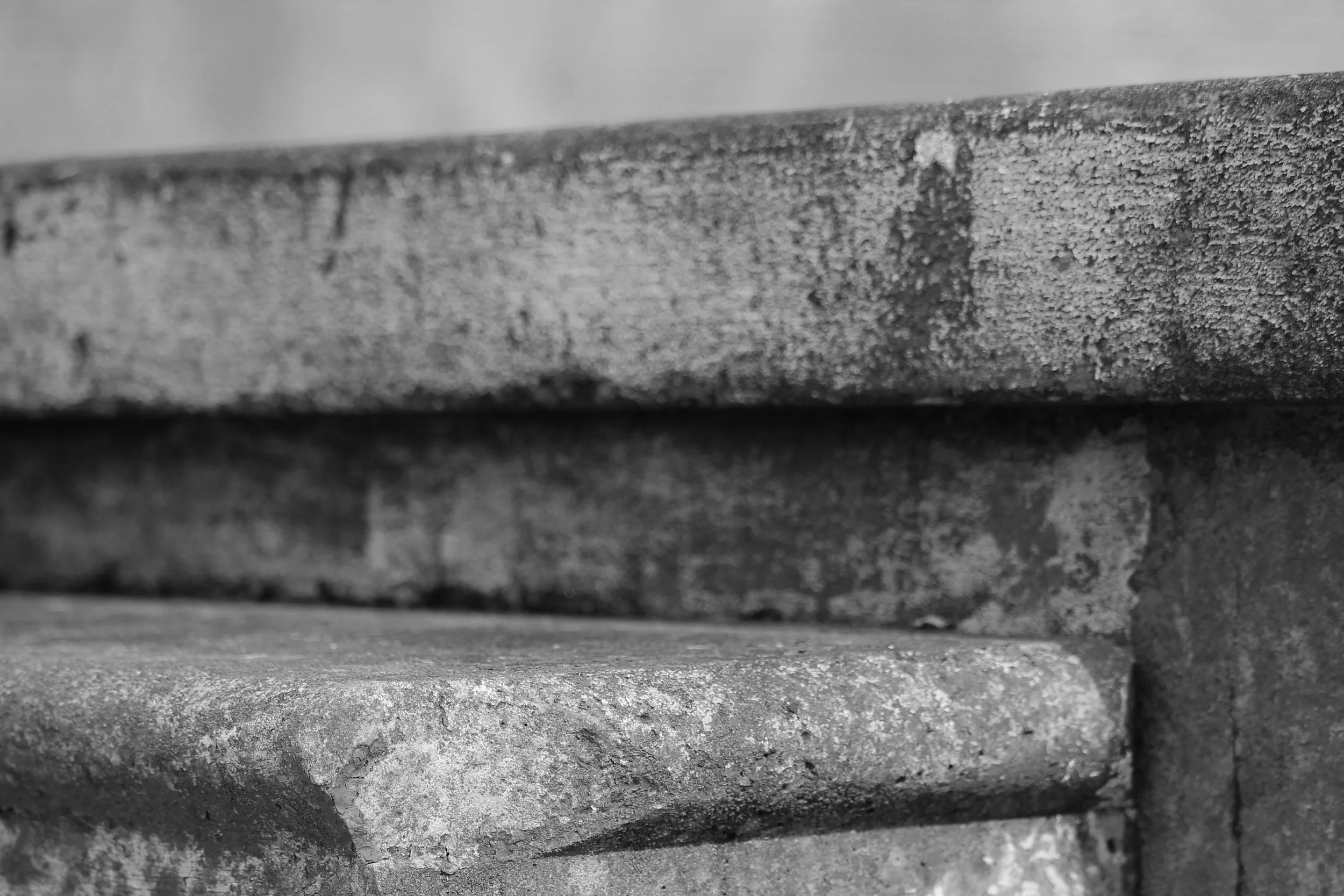
The stoops are not as invisible as I once thought: At the beginning of this project, I thought I was the only one who noticed them.
It turns out, the stoops are divisive. Upon conversations with community members in the neighborhood, they point out how the stoops mark blighted, neglected areas where people haven’t rebuilt or moved them as part of a cleanup effort, just as I thought initially.
“[I wish people knew] to take care of ‘em. Take care of it, take care of those people's property and learn how to be neighbors,” Blevins said.
For others, the stoops are more complex: the stairs bring up memories of childhood and what the neighborhood used to feel like.
“The community was so strong, the stoops were so strong that they all withstood a category 5 hurricane, right? ... And they're now vestiges of what once was, and they're also a reminder of what can be if we want to, so that’s the way I look at it.
I do look at the stoops as the foundation of the community, because I talked about before how everybody sat on their front steps… they became the fabric of the community
[The Lower Ninth Ward] is what I call the best neighborhood in New Orleans.”
- Randall Boseman, a life-long Lower Ninth resident
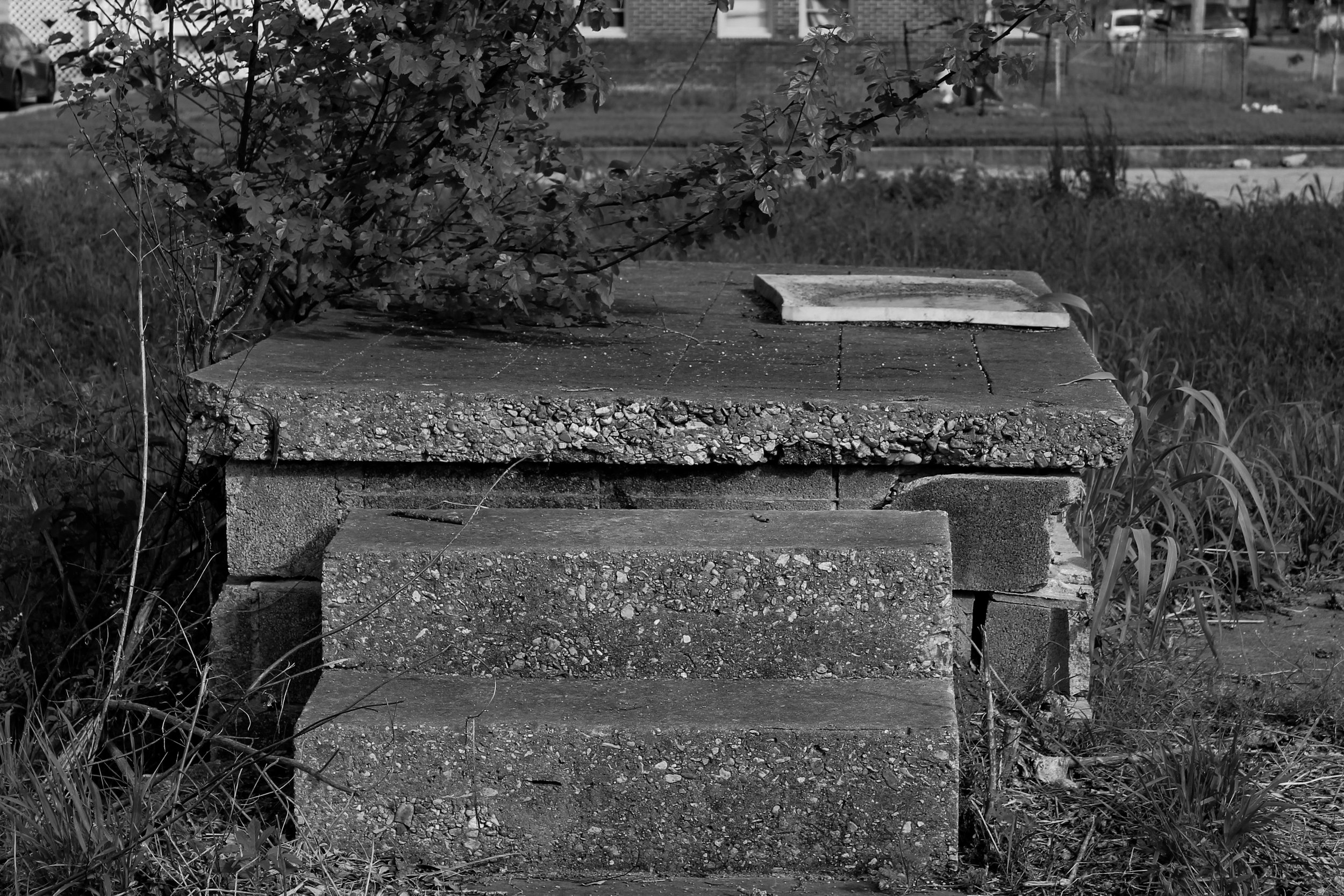
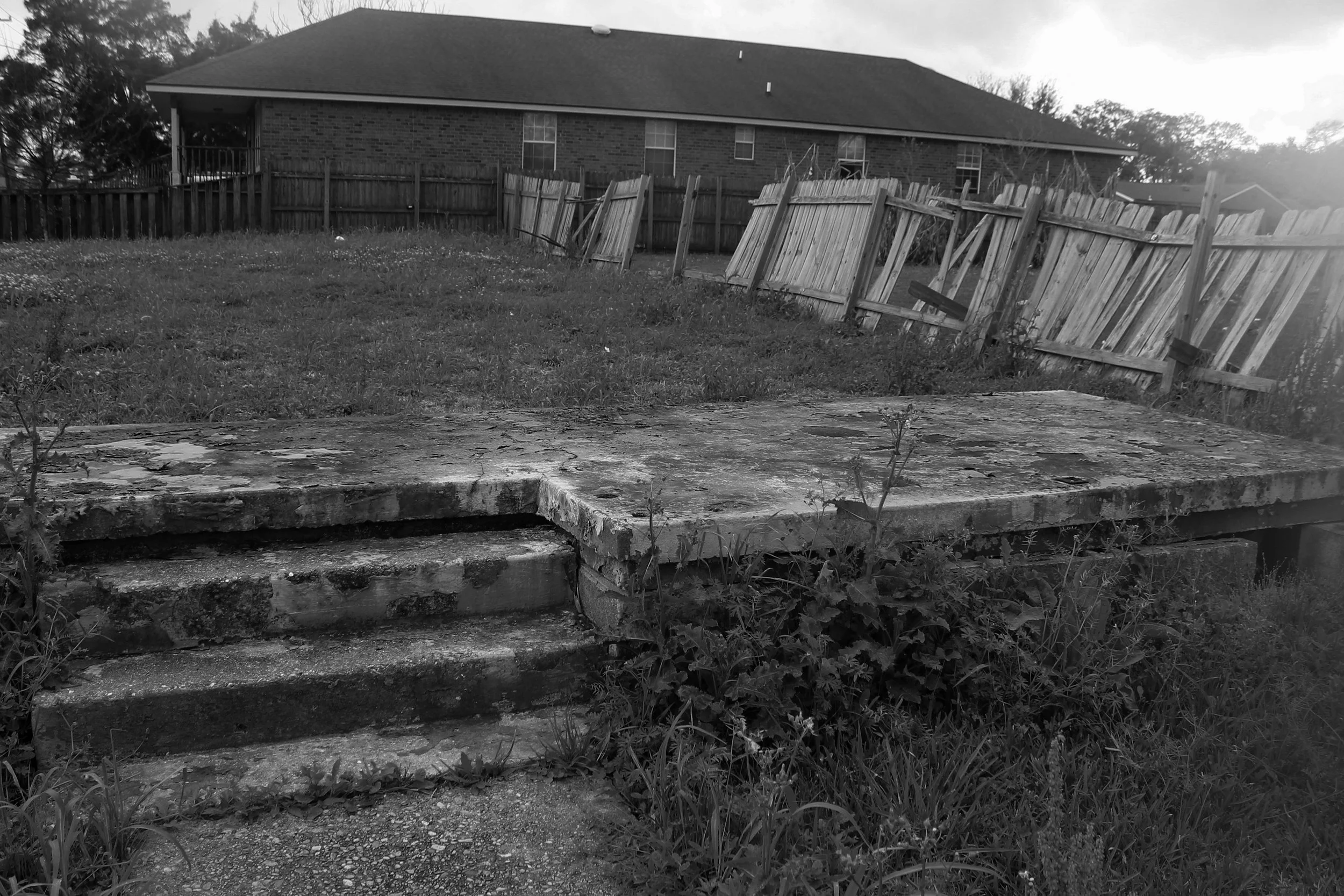
Going into this project, I myself did not know how to look at the stoops.
First, I viewed them as evidence that the city of New Orleans was intentionally neglecting this neighborhood and forcing the community to fend for themselves through local non-profit efforts or advocating for quick rebuilds to allow gentrification to sneak in.
I wanted to know why they kept the stoops in the area. I wanted to figure out why the neighborhood is still so filled with vacant lots. I went into this project assuming I would hold the city accountable for not rebuilding or destroying the stoops, and now I think the opposite. I only want preservation for the stoops, which was not how I imagined this project going. The thought was brought together from interviewing my cousin Crystal and family-friend, Randall. They don't see it as getting back to what it was — people are holding on to memories because they know it's not coming back. All the more reason I see these stoops as memorials of the Lower Ninth Ward, New Orleans.
Studies have shown that the Lower Ninth Ward has been the slowest to rebound after Katrina. But in my interviews with five deferred residents of the Lower Ninth Ward, it became clear that not everyone blames Katrina for the area’s demise. Some members in my family for instance blame lack of communication between family members to be the demise. Not enough members in the many families that lived in the area fought to get together and preserve their lots, spaces and neighborhood to allow proper rebuilding to happen.
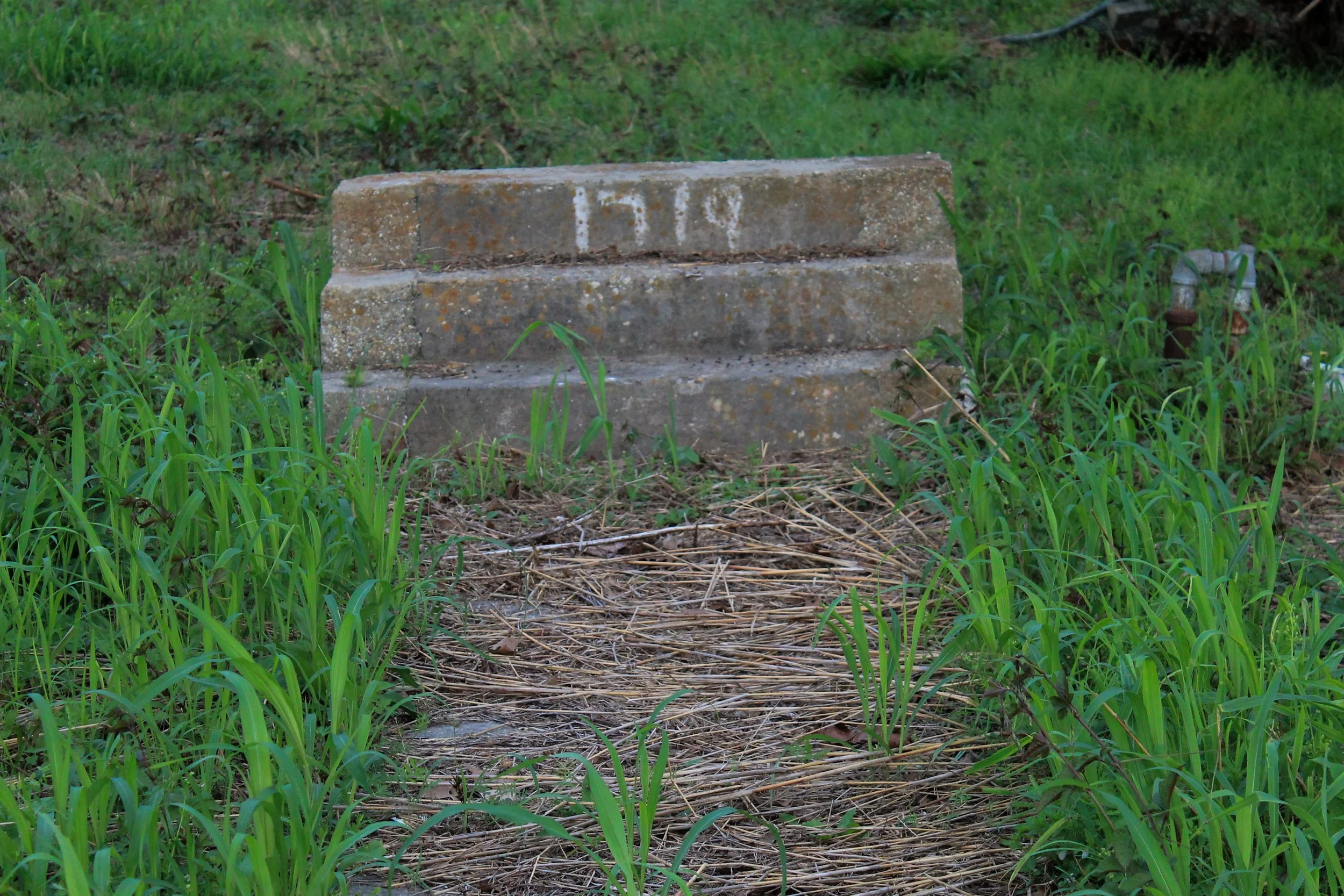
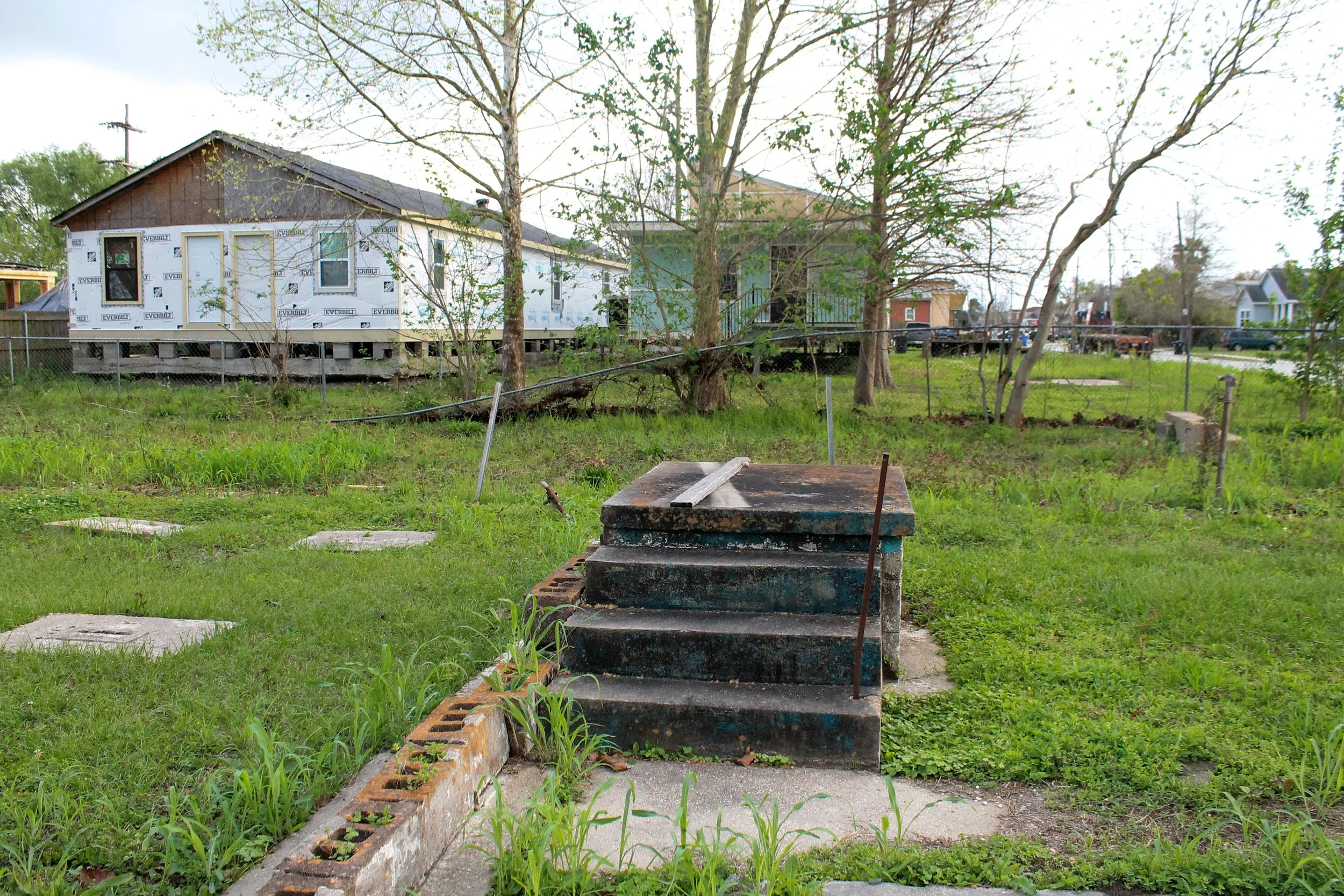
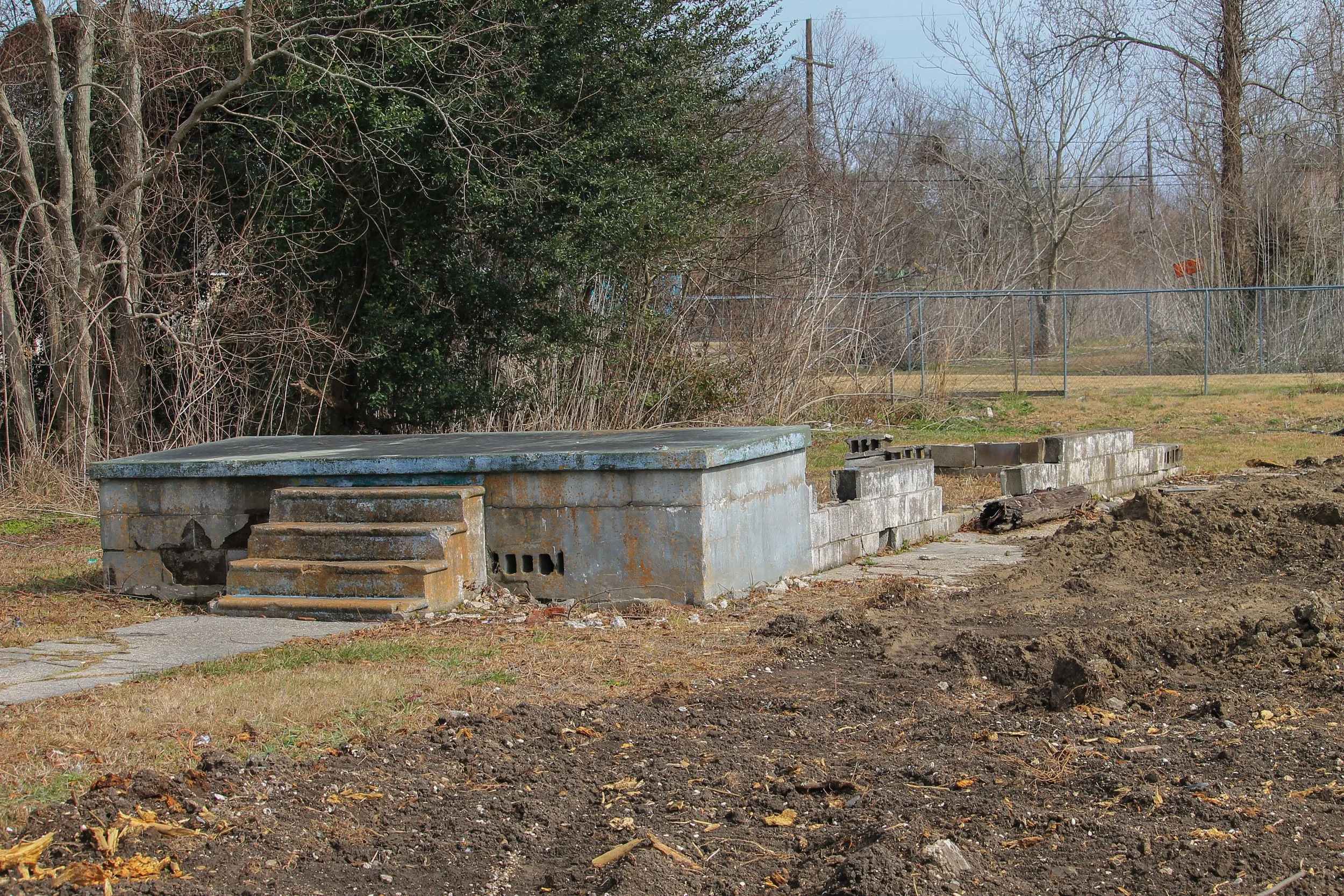
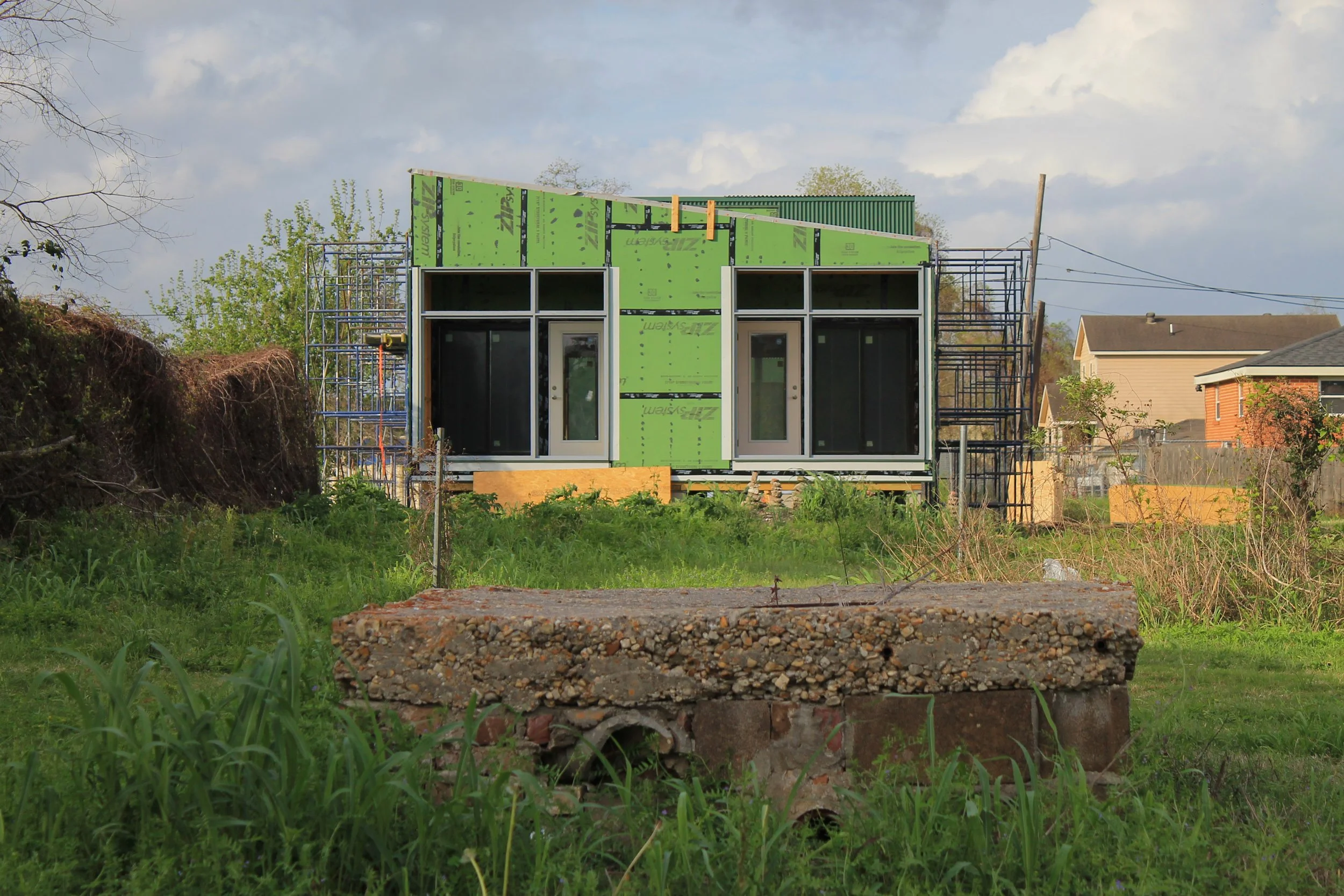
The present and past residents I spoke to have accepted the area will never be the way it once was during their youth.
Too many family disagreements, too much city neglect. I was saddened by it. I didn’t get how there’s so much advocacy for creating Black spaces again but when there’s a chance to preserve what was once home to the largest percentage of Black homeowners in the city, it doesn’t seem like anybody wants to make the effort, especially in a city with so much emphasis (albeit uneven) on cultural and historical preservation.
I was glad I got to capture their memories because that’s essentially all they had. But I don’t want this to end with my photos.
I am advocating for the stoops to stay. We don’t need to move them or necessarily view them as blight, but rather, something like Roman ruins, untouched wreckage that allows generations to remember. Each staircase was a gateway to homes that stored multi-generational memories — the highs and the lows.
Today, while detached from those family homes, they still connect us: to our history and our future.
KAI DAVIS // Davis is a film editor and freelance photographer from New Orleans. She served as editor for “Ori,” a documentary highlighting doulas and a mother’s journey through postpartum that screened at the 2024/25 New Orleans Film Festival. She is an advocate for storytelling and preserving the art of creativity through any medium. She also served as a 2025-26 Community Reporting Fellow and Production Assistant at Lede New Orleans.