The Erosion of Third Spaces
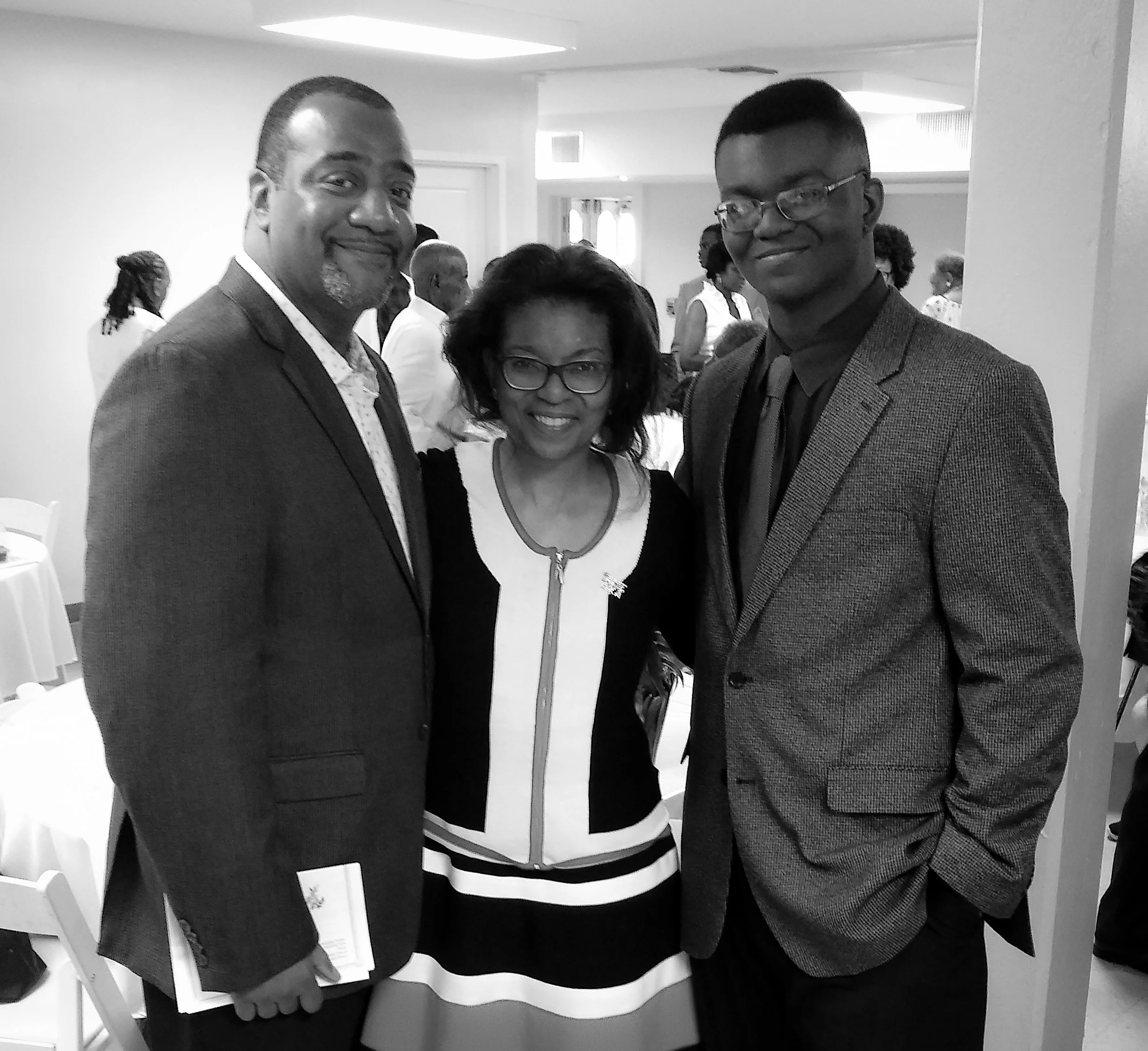
A family photo of Bryan, Conchetta, and the author/photographer Kyle Fulton after Sunday service in 2018
When I look back at my personal relationship with third spaces, or homes away from home, I see the ever growing importance of them in not only others’ lives, but my own.
A third space can be defined as a social environment separated from home or work that allows for informal gathering for community. Ever since I was a child I remember being in church on Sunday mornings with crusty eyes and a slouched posture. Union Bethel A.M.E. “(African Methodist Episcopal)” was the name of the church, and little did I realize how vital it was for a younger me to have such a space when growing up. As a kid, it was either school or home for me. I was an only child, so when my parents were occupied, I would need to find something to occupy my time.
I spent the majority of my time alone, playing on my Nintendo DS or drawing. Safe to say I was pretty bored, but the saving grace outside of summer camp was church. Sure, I never enjoyed getting up early in the morning but I appreciated being in a non-school environment with other people my age. It was a home away from home that allowed me to make relationships that I still carry today.
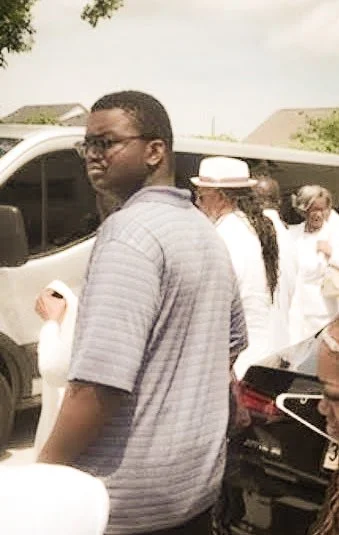
Picture of a younger Kyle Fulton at Union Bethel
In recent history, events such as Hurricane Katrina and the COVID-19 pandemic heavily altered how New Orleans operates. That same alteration largely affects the third spaces within the city: We are known as a party city by the outside world, but as far as real, tangible third spaces for community to foster, many places have eroded over time due to poor mismanagement, climate disasters, low attendance, financial reasons, or the pandemic in 2020.
For years, New Orleans has fought against time to maintain itself as a city worth its muster. And while people moving here is a double edged sword, it also introduces the prospect of more third spaces being created.
When transplants come to any city, there’s potential for new ideas and hotspots to be introduced but that also bottlenecks the longstanding third spaces here, because the simple fact is, there isn’t enough room for everyone. More and more third spaces cropping up is largely due to the citizens needing a sense of agency, control, or community seeking when it feels like everything else is well out of their grasp.
“Growing up, not in New Orleans, but in Bogalusa, a small close knit and rural community, [third spaces] included churches that stayed open long after Sunday, neighborhood recreation centers, school choir rooms, barbershops, libraries, and even local stores where everybody knew your name. These were places where you didn’t have to spend much money to feel like you belonged. You could just show up.
Many of those spaces either don’t exist anymore or they exist in very different forms. After Katrina and I must also add COVID, a lot of recreation centers never reopened. Neighborhood landscapes changed. Churches that once had thriving weekday programs had to shift into survival mode.”
— Rev. Keith J. Sanders, January 14th, 2026
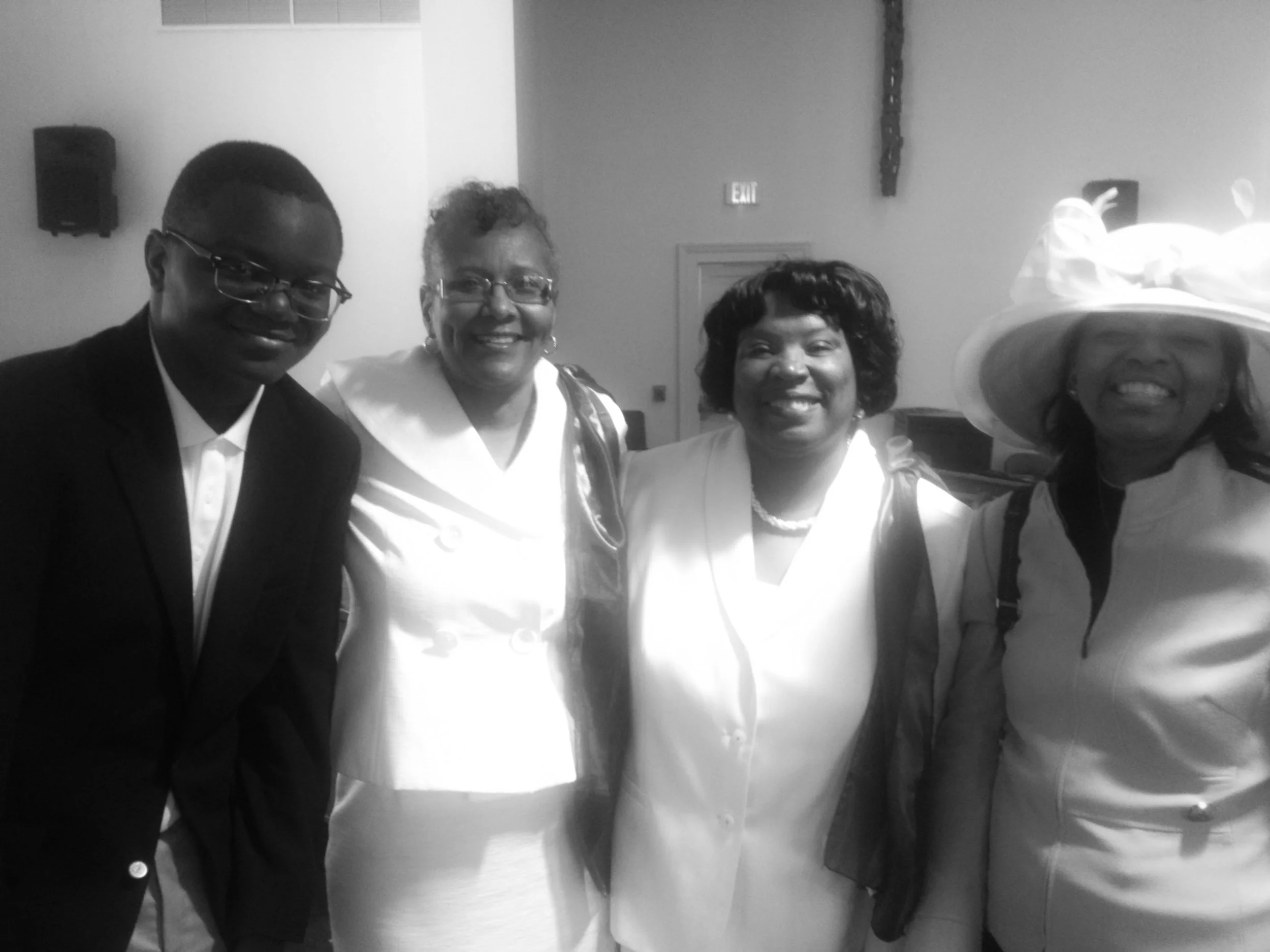
(Left to right) Kyle and his mother Conchetta Fulton in 2015 at Union Bethel, along with two other consistent members of the Church
The maintenance and longevity of these places are the source of the problem. It’s not a lack of third spaces entirely, it’s a lack of third spaces that stay.
Because without access to these spaces to create a stable community, it removes the comfort, flavor and novelty that comes with exploring our city. Third Spaces like churches, youth programs, amusement parks, or libraries add breath to people’s lives. But if not preserved properly for a long time, we lose those unique and enriching experiences and connections that could enhance our lives.
While thankfully that same disappearance hasn’t happened to Union Bethel, the church and its people have changed over time. Elders have passed on, less younger people attend compared to when I was a kid. Like many churches, it’s a revolving door of community, but there’s been a cycling out of some of the older generation due to many external factors outside of the churches control. COVID notably being one of them.
Union Bethel was a gateway for me as a kid to not only escape the life of home and school but also explore more complex thoughts like faith at a young age. It definitely shaped me as I was growing up and some of my experiences within this third space still ruminate in my head to this day.
One of my friends from church, Tyrique Maurice, continues to find ways to carry his faith forward, even though neither of us regularly attend Union Bethel anymore.
“As I was attending St. Augustine, I learned more about the faith and more specifically Christianity. Along with that, I was learning about different people and their approach to the church and their beliefs. A lot of historical context also made me dive deeper into the origins of my faith.”
—Tyrique, Jan, 25th 2026
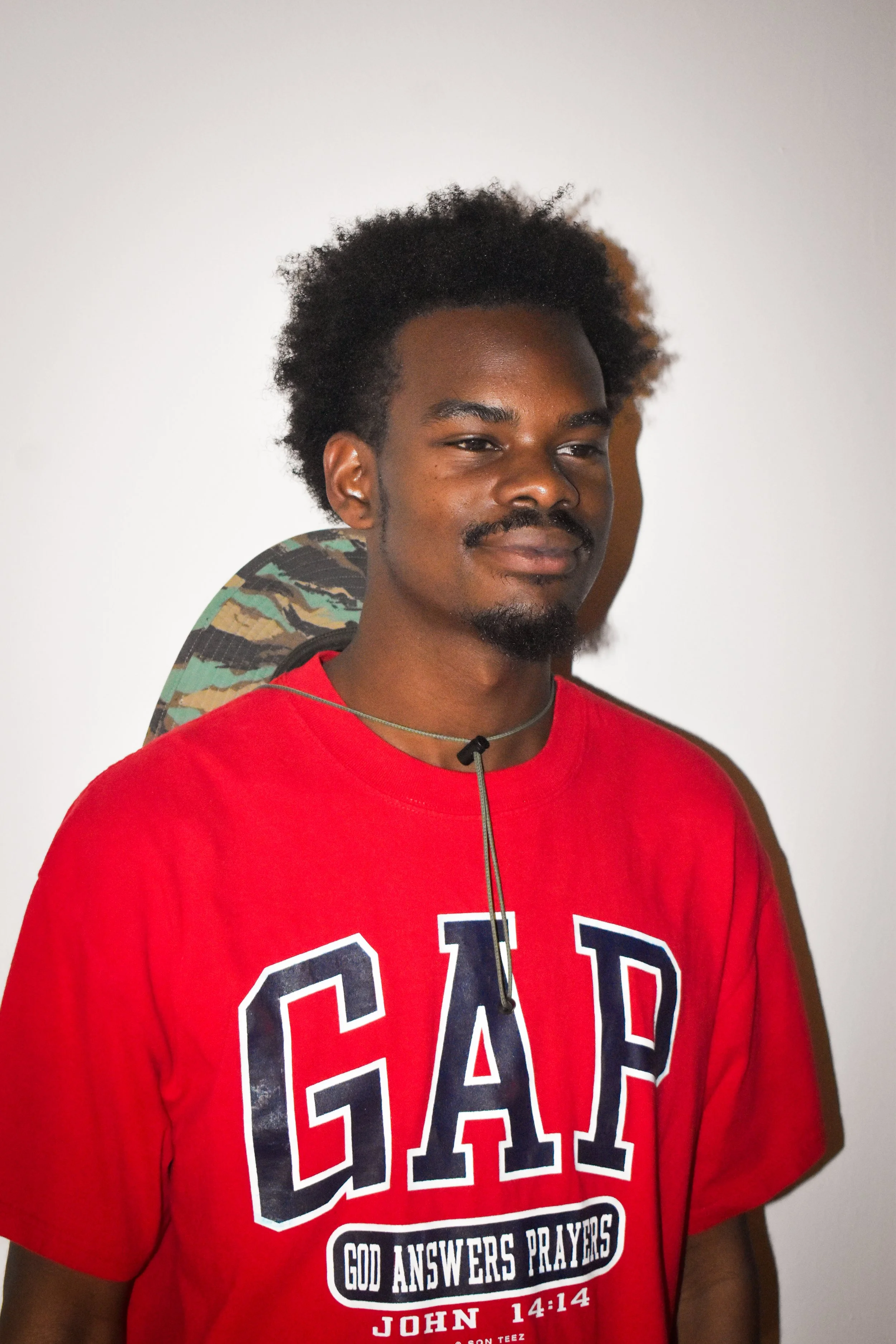
Headshot of Tyrique Maurice taken on February 12th, 2026
Even at an early age, third spaces mold us at a volatile phase of our lives.
Our church’s impact on my overall family can’t be understated either. My mom grew up in the church, my parents got married in this church (pictured below) and I was baptized (pictured below) and raised within it. Our family’s personal lives and history are somewhat intrinsically tied to Union Bethel A.M.E. and is a primary reason I chose to capture it.
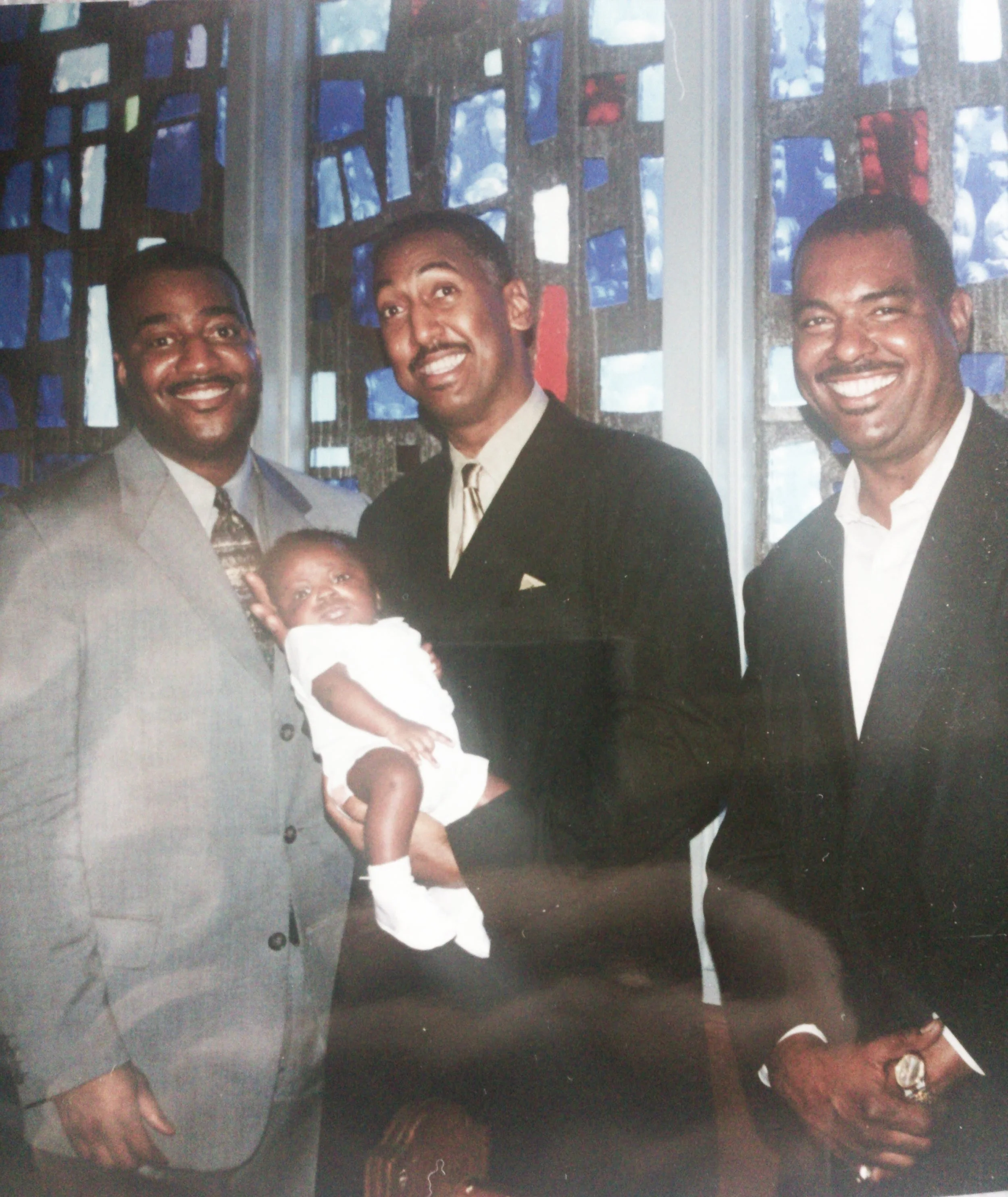
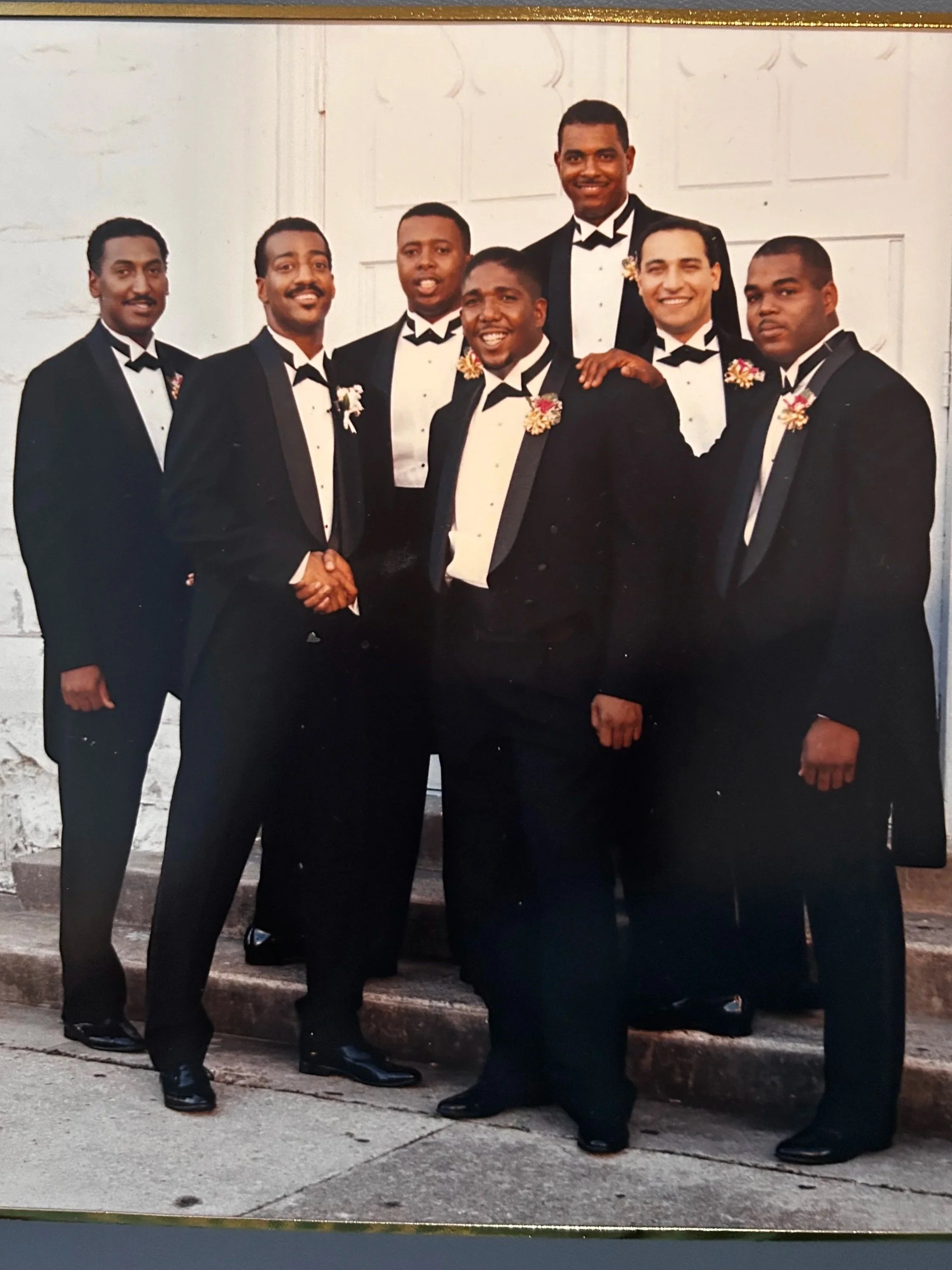
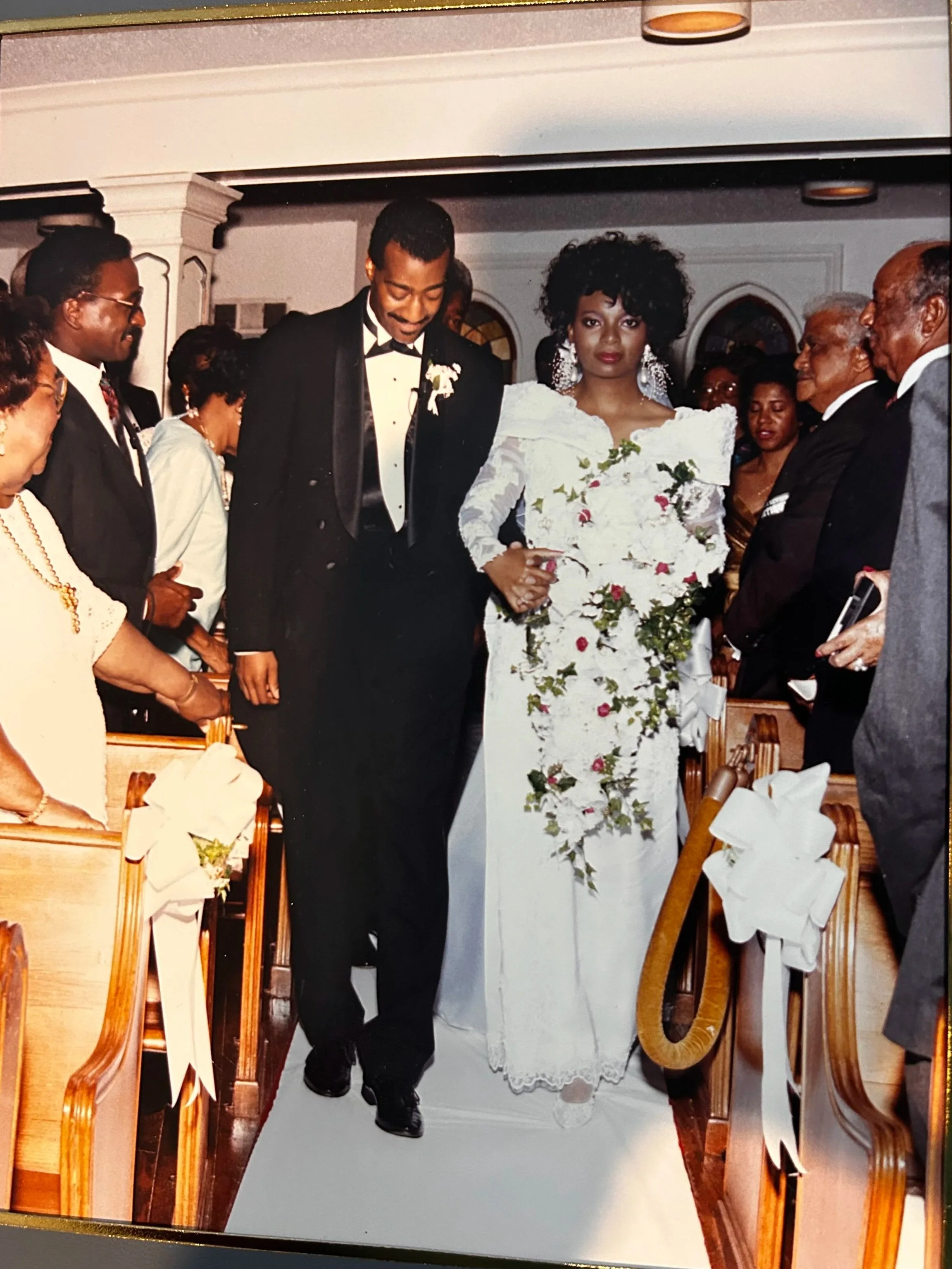
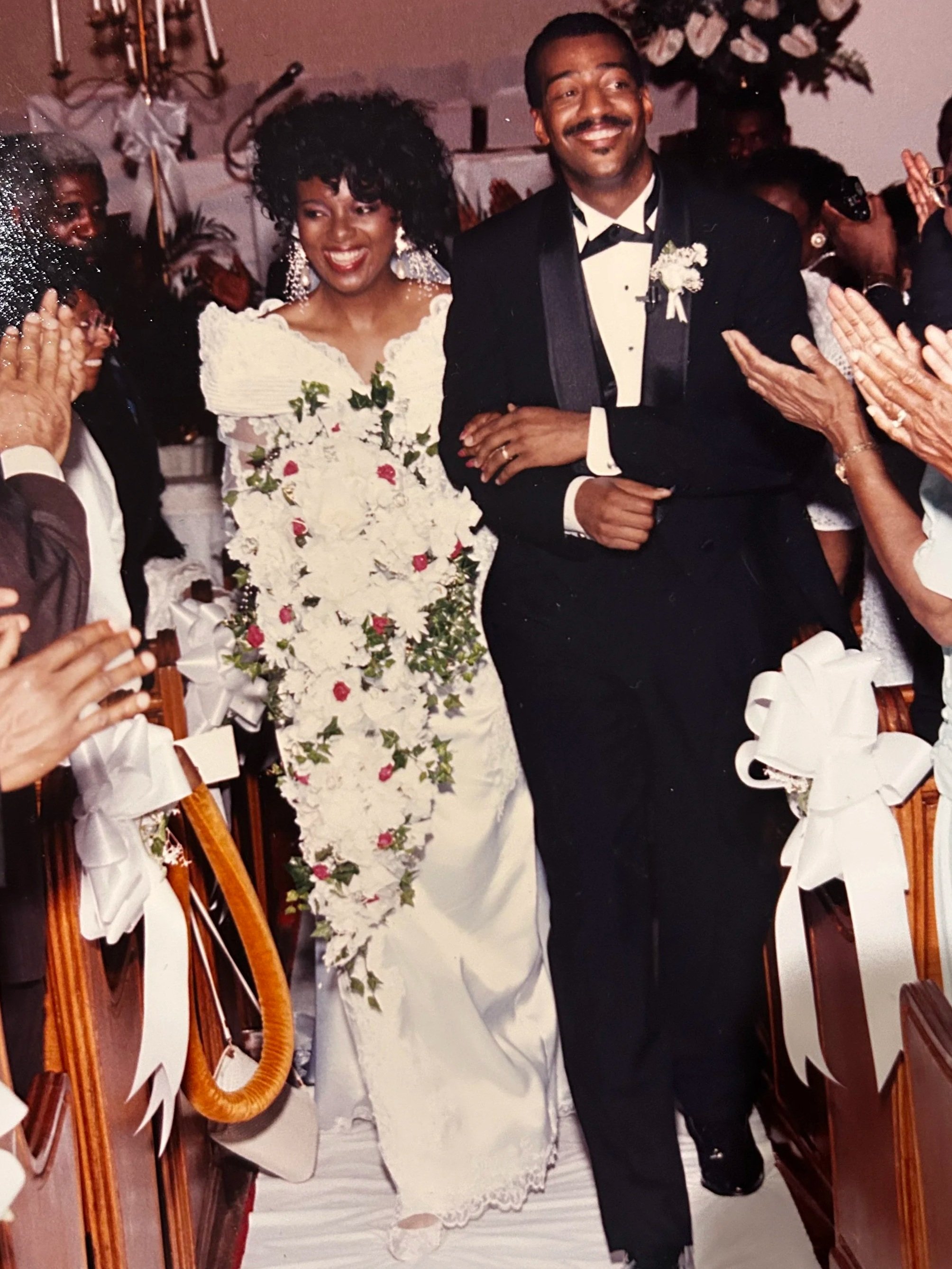
“Union Bethel will always be revered to me because of the special memories I experienced in that church. Of course, with it being your mom’s [Conchetta Fulton] home church, that carries a special meaning to our family. Unfortunately, many of the members who your mom and I had grown fond of and established relationships with have passed on.
Certainly, there’s been a change in the church, yet their mission is always going to be positive and fueled by faith and being a helpful member of their community. But as in all things there will be transition. Both in people and sometimes in philosophy. Although I was not raised as an A.M.E., the unique circumstance of my being Catholic and your mom being African Methodist Episcopal gave me a greater appreciation of both faiths and how vital they are in living a good, spiritually rooted life.”
- Bryan Fulton, March 11, 2026
At a certain point, as I was growing up into adolescence, I went to church less. My parents wouldn’t require me to attend as often and I just found other places to spend my time.
Another hobby that kept me occupied was drawing. I have always enjoyed it and thankfully I had my parents and teachers foster that love of art. My parents would encourage me in various ways and influenced me to continue going with it. However, growing up I never really had an outlet or place to fully be an artist, as I’d always have to prioritize school work or rest.
It wasn’t until my longtime childhood friend Miya Scaggs introduced me to Studio BE where I would begin to develop an artist community within my very city.
Studio BE, a 36,000-square foot gallery in the Bywater neighborhood, first opened in 2016. Brandan “BMike” Odums launched the artwork series in 2013 as Project Be, with murals painted on the blighted Florida Housing Development in the Ninth Ward. Then in 2014, ExhibitBE was painted on the abandoned five-story Woodlands apartment building in Algiers.
The warehouse-turned-gallery came to act as a fully Black third space for young aspiring artists to foster their skills and love for style and art, give them resources, and connect them to their roots as African Americans within the city of New Orleans.. Eternal Seeds is a non-profit organization that was formed with not only Brandan but other young artists to allow for a continuing class of artists each summer to come into the program and flourish. I never was officially part of any Studio BE related programs but by being in proximity to Miya, I became friends with some of the other people within the program. And I would soon become a regular face that folks over there became familiar with.
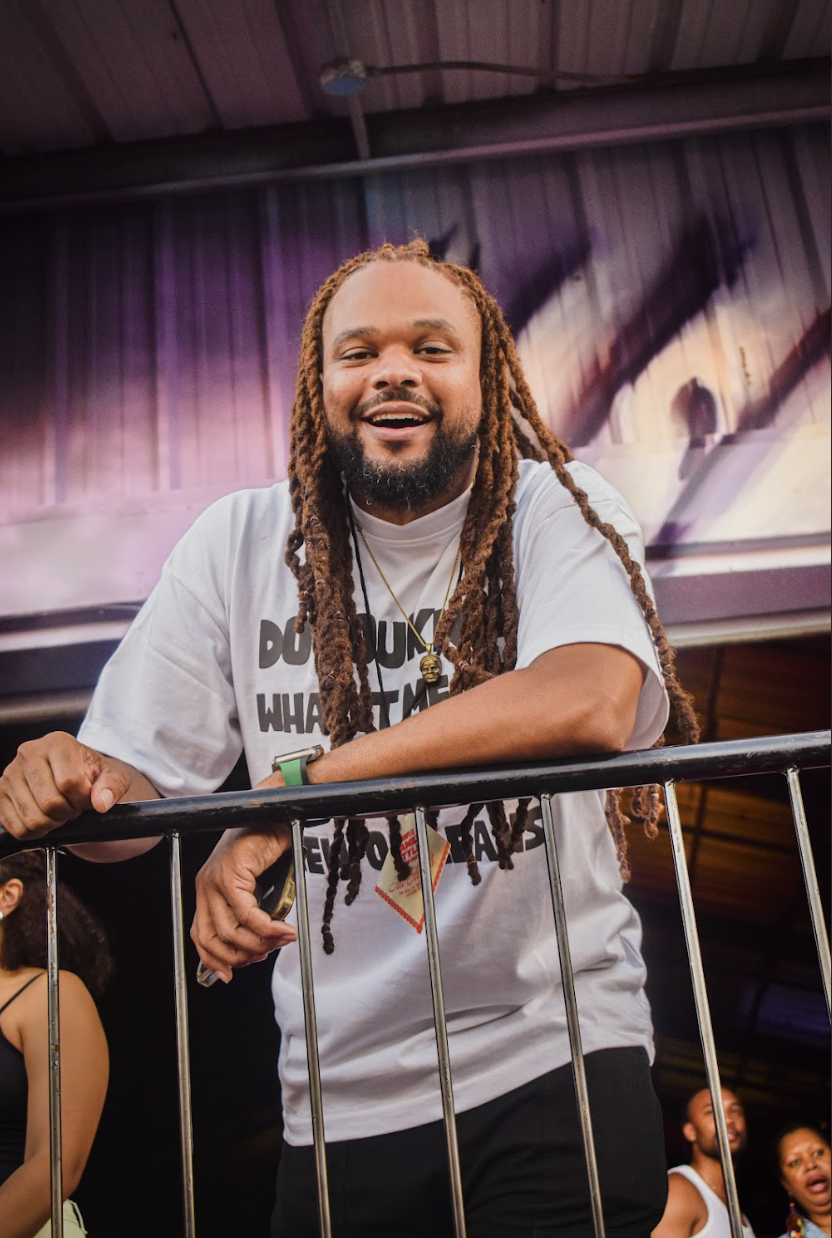
A portrait of BMike at a Studio BE event, 2025
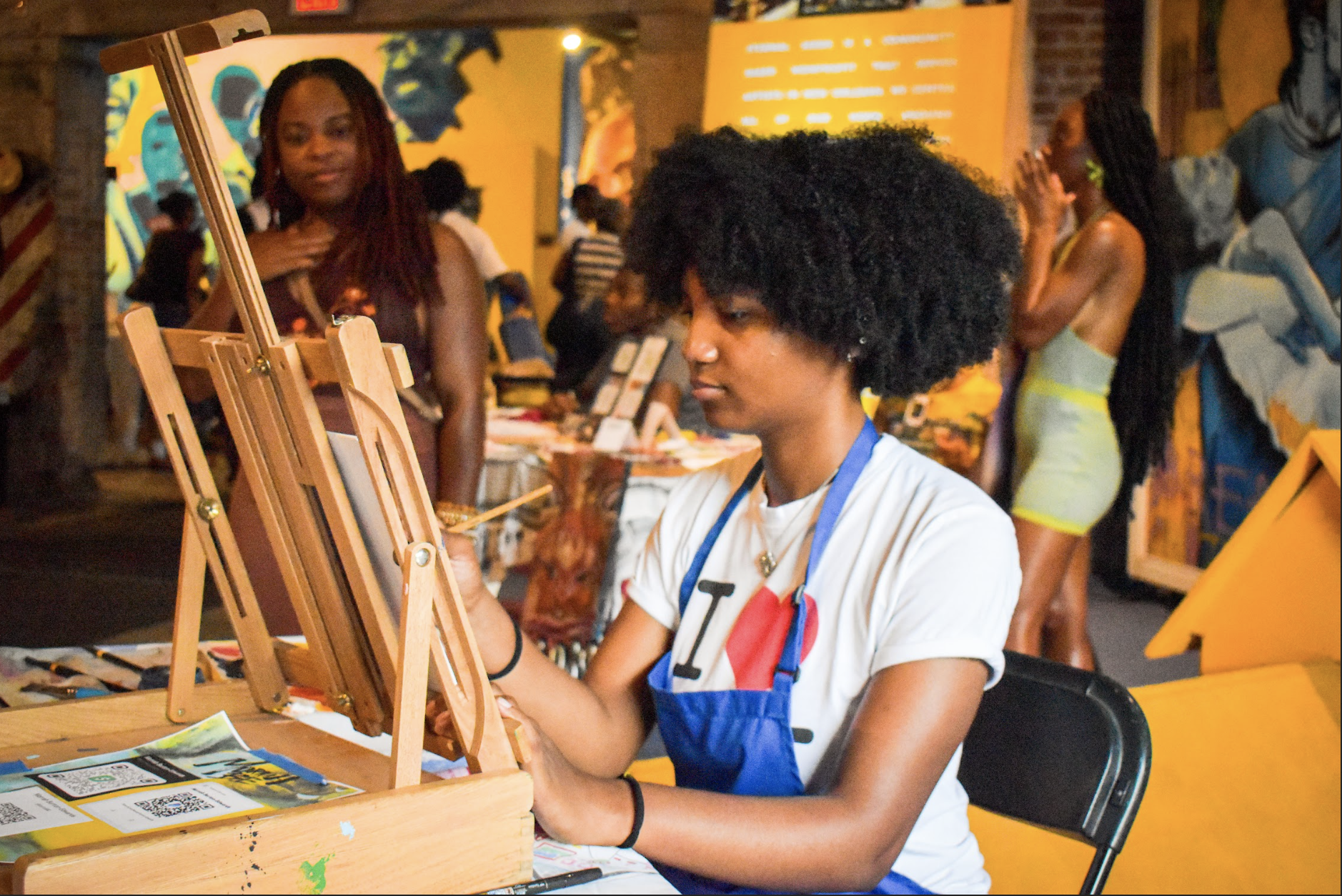
Stills of artists at Studio BE working on a custom project, 2025
To this day I have a positive relationship with not only the Studio but many of the staff and artists there. I’m happy I can call some of them close friends. One of the artists who’s all too familiar with the studio, cierra wyche, had this to say about her own personal experience:
“Well, I’ve been in the StudioBE universe since 2019; I was 17 then. I'm now 24. I began my time there as an impressionable teenager who was eager to learn and create alongside like-minded Black folk.
Soon enough I went from student to teacher via my natural skills of leadership, and that is a journey I didn't plan for but am so grateful for the experience nonetheless.”
- cierra, 2026
This by proxy became a new third space that has added so much to my life in the past few years. This place is a major reason why I feel so connected now to the artistic community and New Orleans as a city overall. It’s granted me opportunities I wouldn’t have stumbled on regularly and I’m forever grateful for what this space symbolizes for me.
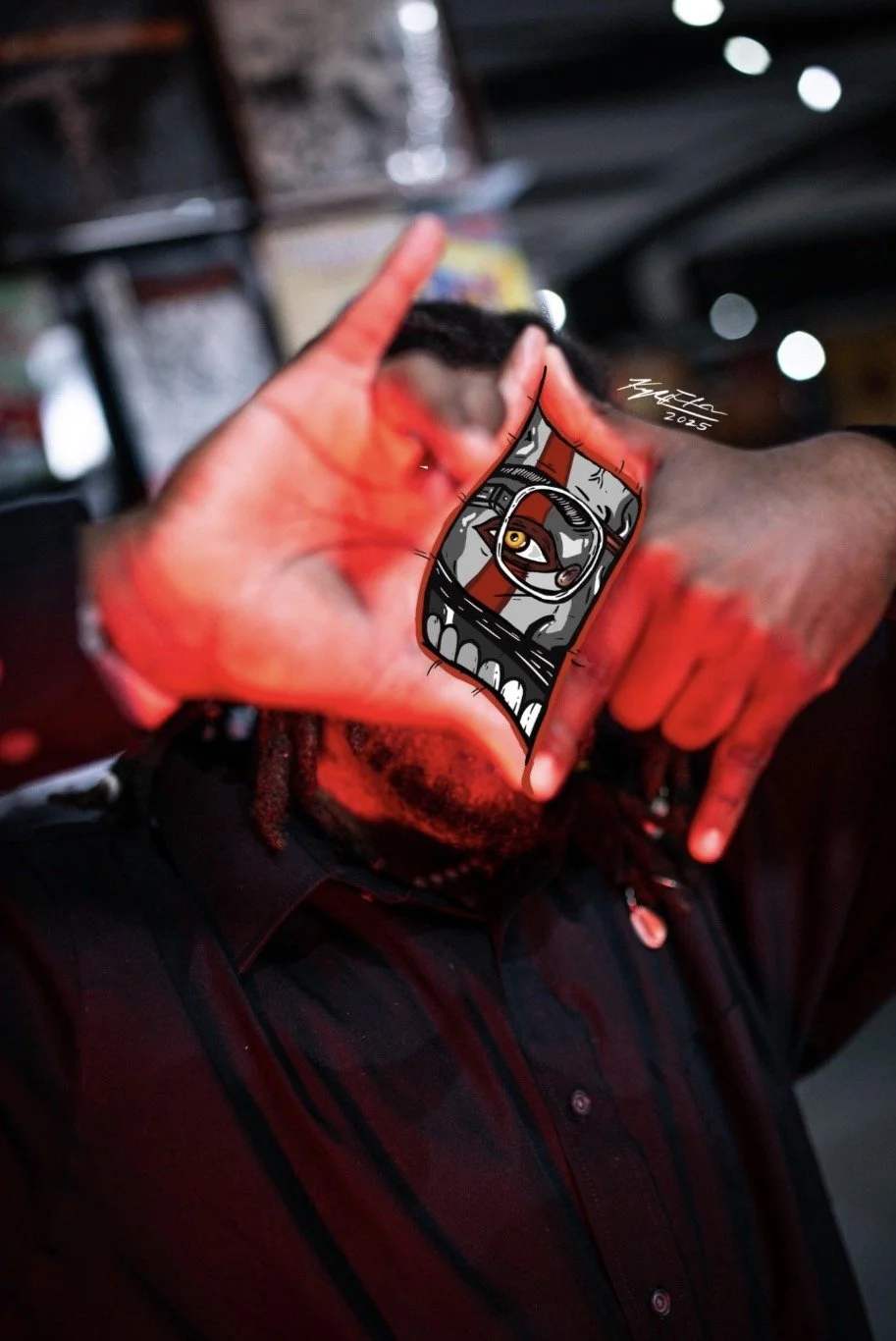
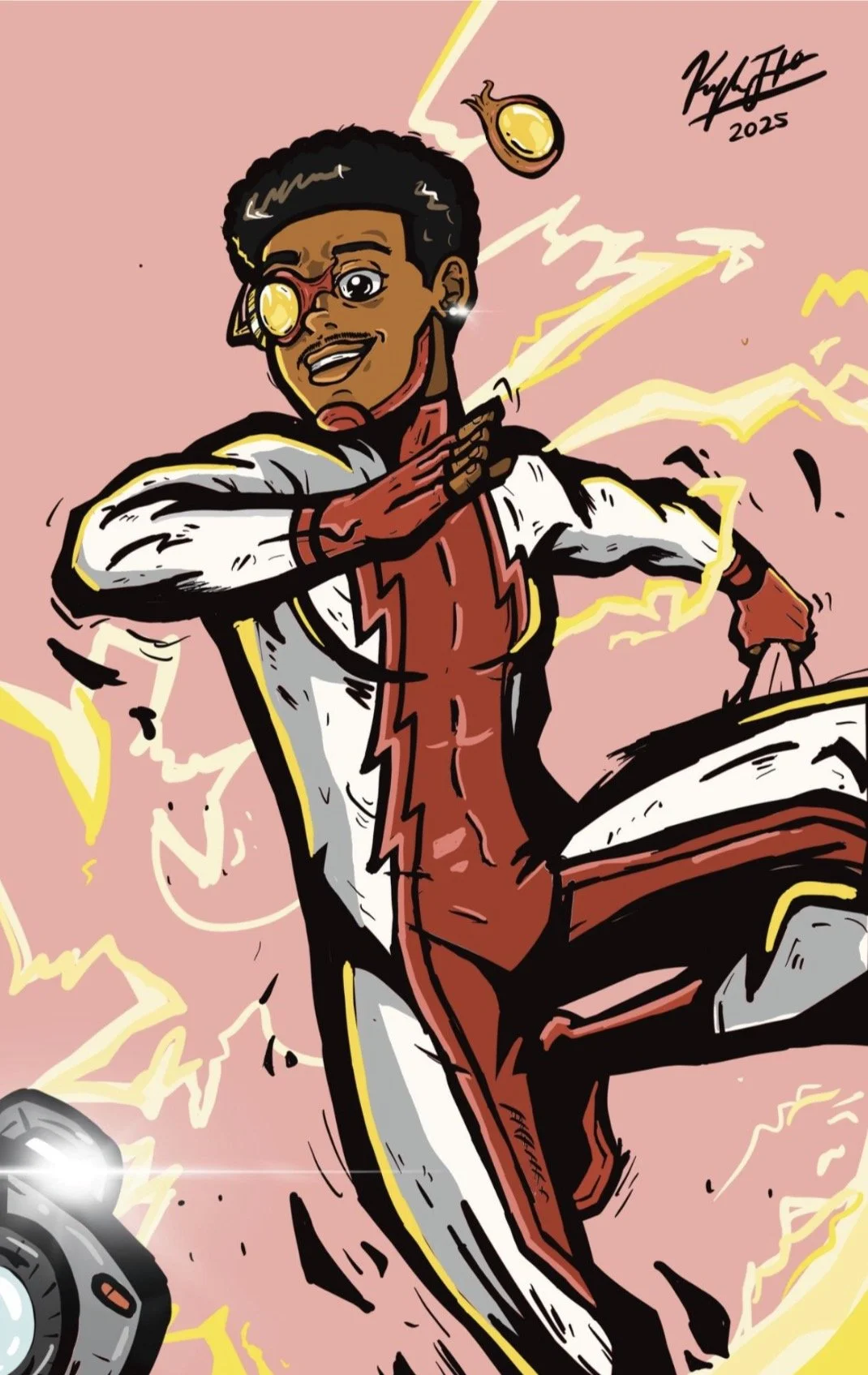
As I reached the end of this reporting project, I knew I needed to return to Union Bethel A.M.E. Church. It had been over six years since I had stepped foot into the church, and even longer since attending an actual service.
Have you ever had that feeling or emotion when you go back to a place you haven’t visited in a long time? It wasn’t quite nostalgia. My relationship by this point with the A.M.E. church has largely served its purpose, but there’s a melancholic almost upsetting feeling knowing you have gone back to a place that has changed so much without your presence.
It’s a stark reminder that life goes on even when you’re not looking. My heart and soul are no longer tethered to Union Bethel A.M.E. in my present life. It's like running into an old friend who you haven’t seen in over a decade. I’m essentially a stranger again, and in a small but not insignificant way, that stings.
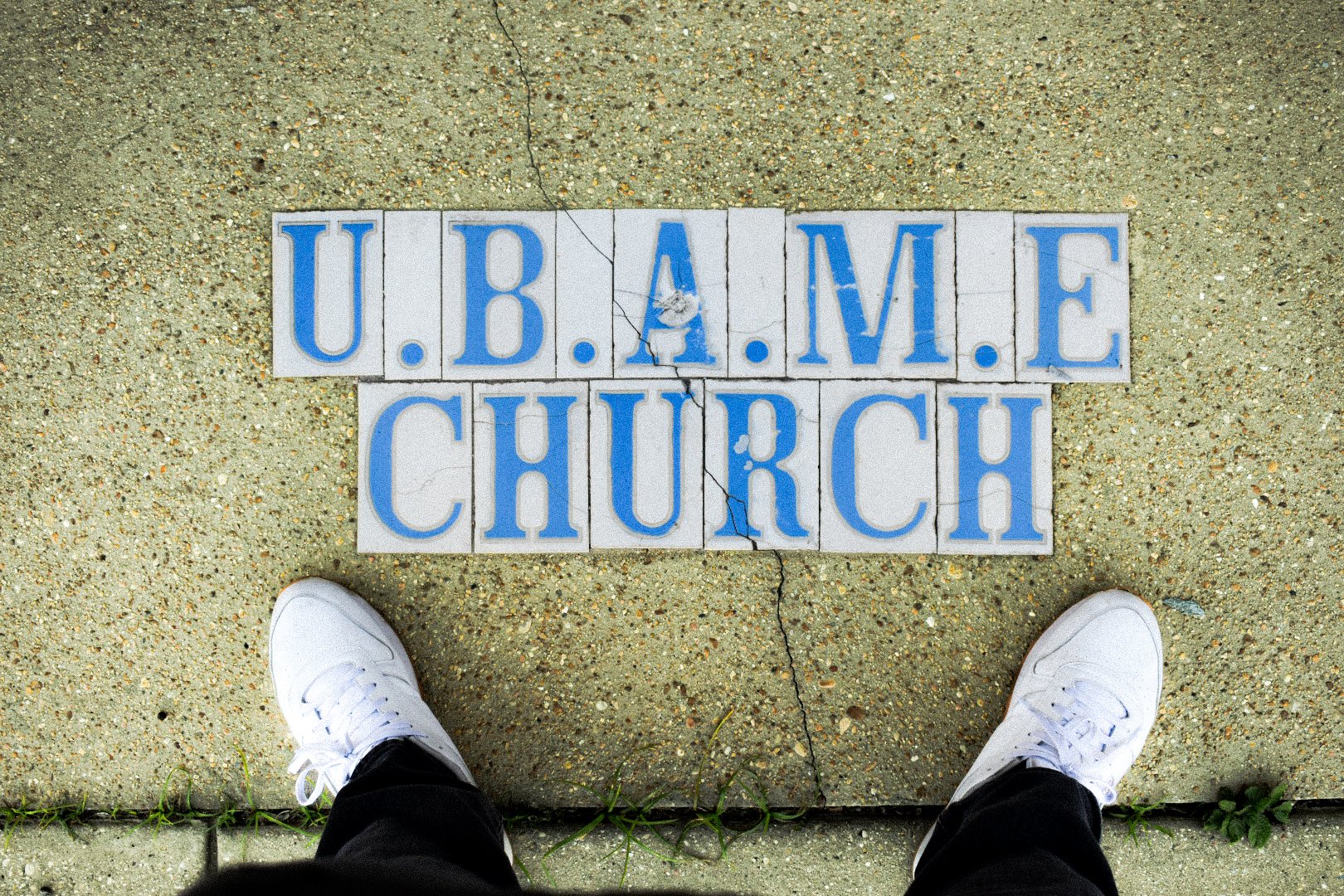
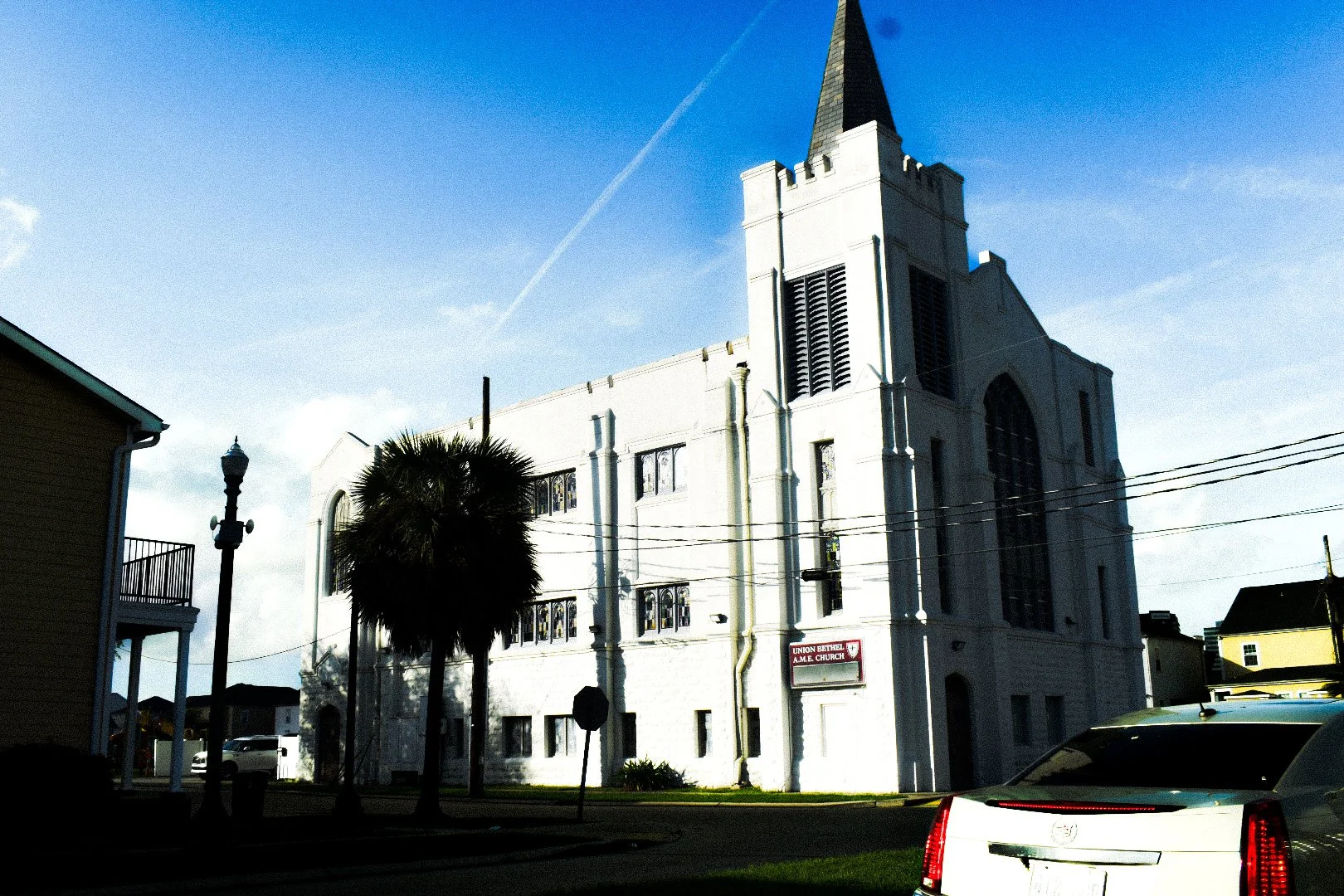
But I won’t forget what the church has done for me. Both my home church and my current third space of choice, Studio BE represent core elements of who I am today. That’s the magic of third spaces. They add to our lives, and they act as the throughline to what we all desire: connection. Third spaces like churches and libraries enrich our thinking and can create spaces that foster contemplation and community. And creative spaces like Studio BE can add to an artist's life by giving them a space to focus solely on that.
Life’s everyday issues already take up a lot of our consciousness. It’s common to feel lost and start to coast. To feel hollow in our fleshy shells. So when we discover third spaces, it can not only create a positive addition to the chaotic worlds we all have within. Nothing in life is permanent, things change and erode over time but a thing isn’t beautiful because it lasts. It’s important we cherish and preserve third spaces so that long after we’re gone they can continue to serve their innate purpose. To bring about community and be the spice that enriches our lives.
KYLE FULTON // Fulton is a multi-disciplinary artist, photographer and filmmaker from New Orleans. His brand name “FuFi” stands for “Fulton’s Finest” as he always aims to put his best creative work forward. Kyle is an alumni of Dillard University and over the last few years he has become involved in the local art community. He has participated in various art shows, art sales, film sets, productions, magazines, photoshoots and mural/community-centered projects. Most recently, Fulton served as a 2025-26 Community Reporting Fellow at Lede New Orleans.